
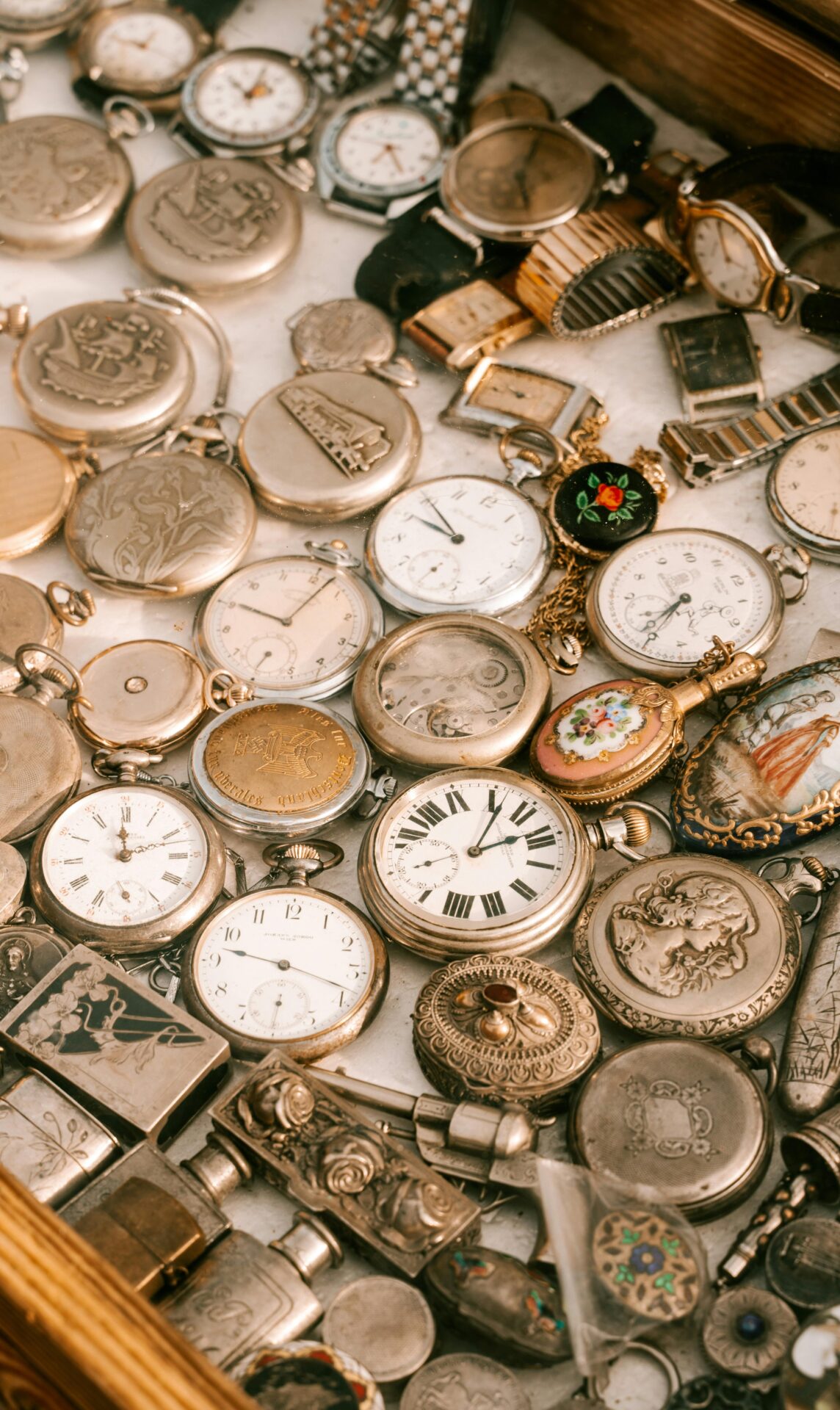
The Jazz Age, immortalized in F. Scott Fitzgerald’s The Great Gatsby, was a time of excess, opulence, and transformation. The 1920s, particularly in America, marked a shift in social attitudes and a bold redefinition of wealth and success. With prohibition giving rise to illicit fortunes and the stock market booming, the concept of the self-made man took on a new sheen—often, quite literally, in the form of luxury possessions. Among the most subtle but powerful of these status symbols was the wristwatch. In the Gatsby era, watches were more than just tools to measure time—they were cultural artifacts that marked one’s position in society. After investing in your first watch, invest in your car by getting mobile car detailing in Carlsbad, CA.
To understand the significance of the watch in this era, we must look beyond its functional purpose. Unlike today’s era, where digital devices are ubiquitous and the wristwatch is sometimes viewed as redundant, in the 1920s, a watch was a clear statement. It told a story not only of time but of legacy, refinement, and the mastery of one’s destiny. In the gilded world of Gatsby, where appearances could define one’s fate, a well-chosen timepiece was a quiet proclamation of class, taste, and, most critically, affluence. Wear a watch while getting services that include pressure washing in St. Augustine.
Fitzgerald’s novel does not mention a specific brand of watch, but the presence of carefully chosen attire, fine cars, and designer furnishings implies the unspoken power of accessories in shaping identity. If you want to promote your watch brand, get promotional display services.
A watch, discreet yet always present, fit perfectly into this world of curated opulence. In Gatsby’s universe of tailored suits and champagne-soaked parties, the watch served as a bridge between the old world of inherited wealth and the new money’s aspirations. Its presence on a man’s wrist or in a woman’s handbag was never incidental—it was intentional, deliberate, and revealing. Wear designer clothes with an expensive watch.
The Rise of the Wristwatch: From Utility to Status Symbol
The transition of the wristwatch from a military necessity to a fashion essential mirrored the changes in society during the early 20th century. Originally used by soldiers in World War I for battlefield coordination, the wristwatch was practical, efficient, and revolutionary. After the war, returning soldiers continued wearing their timepieces, making them fashionable for civilian men for the first time. By the 1920s, the wristwatch was no longer just a functional item—it had become a symbol of modernity, innovation, and taste.
The period saw a boom in luxury watchmaking, especially in Europe. Swiss brands like Patek Philippe, Jaeger-LeCoultre, and Vacheron Constantin began crafting intricate designs that appealed to the new elite. These were not just instruments; they were masterpieces, designed with meticulous attention to detail, housed in gold or platinum cases, and often customized to reflect the owner’s personal style. The appeal of these watches lay in their ability to blend utility with artistry, offering a means to tell time while simultaneously showcasing wealth and sophistication. The best moving company in Seattle can move your watches with you to another apartment.
Wearing a wristwatch became an expression of elegance. For men, it conveyed seriousness, punctuality, and worldliness. For women—especially those adopting the flapper lifestyle—it was a way to subtly rebel against traditional norms while still embracing luxury. While wearing a smartwatch, you can use the best bass fishing forecast app.
Art Deco influences—marked by geometric lines, bold designs, and rich materials—began to shape watch aesthetics, transforming them into statement pieces. Whether encrusted with diamonds or shaped into sleek, minimalist forms, watches during the Gatsby era were fashion-forward and deeply expressive.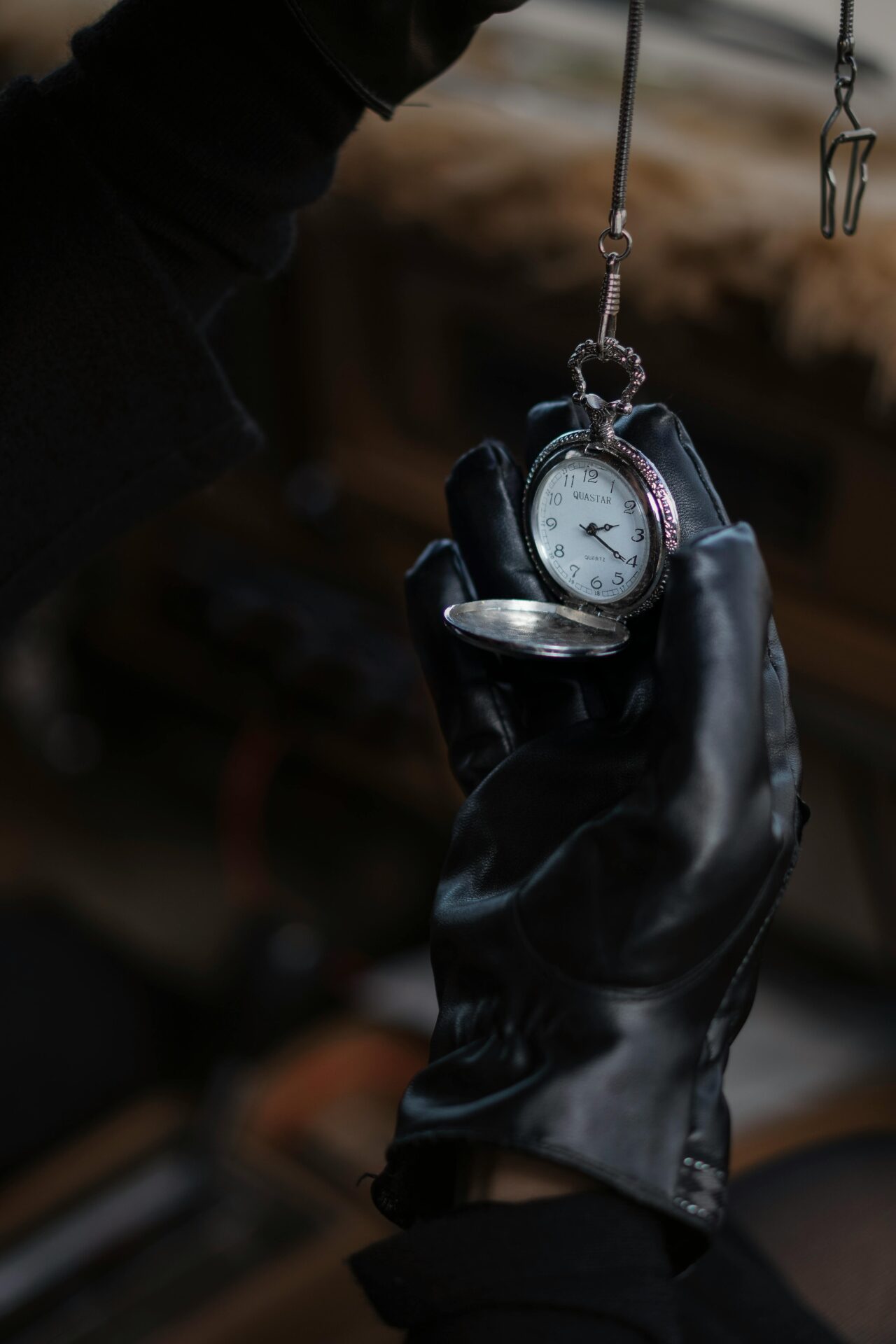
What made the wristwatch particularly significant during this time was its accessibility to both new money and old money alike, yet with enough room for differentiation. While a modest businessman might afford a simple watch from a growing American brand like Hamilton or Elgin, the elite wore timepieces that were rare, handcrafted, and exorbitantly priced. Get physiotherapy in Austin if you feel pain while wearing a watch.
This spectrum allowed watches to serve as a stratified marker of class, where even the most subtle differences in brand, material, and design could signal volumes about one’s social standing. Wear an expensive watch after getting private villa rentals.
Watchmakers of the Gatsby Age: Luxury and Legacy
The 1920s saw the ascent of some of the most legendary watchmakers in history, whose timepieces would come to symbolize not just luxury, but legacy. As the world transitioned into a more mechanized, modern age, the finest watchmakers responded by creating objects that were as technically advanced as they were artistically stunning. In the Gatsby era, these watches became emblems of a specific kind of wealth—one that was discreet, refined, and inextricably linked to tradition.
Patek Philippe, known for its exclusivity and precision, epitomized old-world sophistication. A Patek owner didn’t just wear a watch—they wore a legacy. This brand was favored by royalty and the ultra-wealthy, making it the kind of piece a character like Tom Buchanan might sport. Not ostentatious in design, but unmistakably expensive, Patek Philippe watches carried a quiet authority, the kind of wealth that didn’t need to shout to be seen.
Cartier, another major player during this period, brought French elegance to the wristwatch. With Art Deco inspirations and a penchant for design innovation, Cartier created watches that appealed to both men and women. The Cartier Tank, first designed in 1917 and popularized in the following decade, was especially notable. Its rectangular face and clean lines made it a favorite among style icons and the cultural elite. A character like Daisy Buchanan, with her delicate taste and subtle rebellion, might wear a Cartier watch nestled among her jewelry—feminine yet forward-thinking.
Rolex, while now a household name synonymous with luxury, was still in its formative years during the 1920s. However, even then, it was setting itself apart by innovating the waterproof wristwatch and refining accuracy in timekeeping. Rolex appealed to the modern man who valued both performance and style—someone perhaps like Nick Carraway, Gatsby’s observer and a figure of modest ambition and quiet self-respect. His watch might be more practical, perhaps a reflection of his middle-class sensibilities, yet still crafted with care and precision.
Each of these watchmakers catered to a different slice of society, offering a window into class through craftsmanship. What distinguished the elite from the merely affluent was not just the possession of a watch, but the brand, the origin, and the story behind it. In an age obsessed with appearances and symbols, watches became a subtle but potent indicator of where one stood on the social ladder.
The Watch as a Gendered Symbol
The Gatsby era was also a transformative time for gender roles, particularly for women. The 1920s flapper rejected Victorian restrictions and embraced a lifestyle that was freer, bolder, and more self-defined. As women began to step into spaces previously dominated by men, their accessories—including watches—began to reflect that shift.
For the first time, watchmakers began designing pieces specifically for women, blending ornamental design with practical function. Jewelry watches—often worn as pendants or bracelets—became popular among fashionable women. These pieces allowed women to participate in the modernity and technological sophistication that the wristwatch represented while maintaining the aesthetic values of femininity and style.
The women’s watch in the Gatsby era was as much a fashion statement as a timepiece, reflecting the dual pressures of maintaining elegance while asserting autonomy. A woman who wore a watch was signaling that she was active, independent, and conscious of time—not merely waiting for it to pass but shaping it to her will.
At the same time, the watch continued to be a marker of a man’s place in the world. A man’s timepiece spoke to his business acumen, his punctuality, his place in the social and economic order. Whether inherited or newly purchased, it was an extension of his identity, often doubling as a conversation starter or a declaration of intent. To wear a fine watch was to claim mastery over time—and, by extension, one’s destiny.
This gendered dimension added another layer of complexity to the already loaded symbolism of the watch in the 1920s. As societal roles evolved, so too did the meaning and presentation of timepieces, making them dynamic symbols within a rapidly changing cultural landscape.
Conclusion
In the Gatsby era, the wristwatch was more than a timekeeping device—it was a declaration. It signified wealth, yes, but also ambition, identity, gender, and aspiration. In a world increasingly shaped by surface and spectacle, the watch became a subtle but powerful artifact, revealing as much about its wearer as any spoken word or written resume could.
Whether tucked into a waistcoat pocket or worn with a string of pearls, the watches of the 1920s encapsulated the tensions and dreams of the age. They were markers of tradition and emblems of the future, equally at home on the wrists of old-money heirs and self-made tycoons. As Fitzgerald’s world unfolds in champagne and jazz, the quiet tick of a watch reminds us that time is always present—measuring ambition, revealing character, and ultimately defining legacy.