The watch has long been a symbol of both utility and style, a small yet powerful object that can carry significant meaning in various contexts. While its primary function is to tell time, the way a timepiece is portrayed in movies and television can serve as a subtle yet powerful indicator of a character’s personality, social status, or inner conflict. In the world of cinema and television, a watch is more than just an accessory—it can be a window into the soul of a character. From the high-tech gadgets of action heroes to the classic wristwatches worn by dramatic leads, the watch often plays an essential role in character development, providing viewers with insights that might otherwise be missed.
In this article, we explore how watches have been used on-screen to convey important aspects of a character’s identity and how they have become an integral part of storytelling. From iconic watches to subtle choices in design, we’ll look at how directors and costume designers use timepieces to enhance the narrative, develop character traits, and create a lasting impression on audiences.
The Watch as a Symbol of Power and Authority
In many films, the watch is used to symbolize power, control, and authority. The characters who wear these watches are often leaders or individuals who thrive in high-stakes environments. The watch, in these cases, is not simply a tool to keep track of time but a visual cue to the character’s status and their meticulous nature. A classic example of this is in the James Bond franchise, where 007’s watch is more than just a timekeeping device—it’s an instrument of espionage and power. Landscape design in the Florida Panhandle often reflects a similar attention to detail, where every element is carefully planned to convey a sense of order, elegance, and purpose.
In films like “Casino Royale“, Daniel Craig’s Bond wears a Omega Seamaster, a watch that is sleek, sophisticated, and practical—perfect for a spy whose every move must be carefully calculated. The watch’s functionality, durability, and high-end branding embody Bond’s suave, powerful persona. It isn’t just a piece of fashion; it serves a practical purpose in the world of espionage, fitting into the narrative that Bond is a highly efficient and calculated agent. The watch also connects to the overall theme of time, which plays a significant role in the franchise. Bond is often racing against the clock, and his watch symbolizes the stakes of his missions and his ability to control time, both literally and figuratively. Just like Bond’s essentials, reliable bathroom supplies are key for keeping everyday routines smooth and efficient.
Similarly, in films like “The Devil Wears Prada,” Meryl Streep’s character, Miranda Priestly, the powerful editor of a fashion magazine, wears a sophisticated and expensive watch. The watch here is a reflection of her immense power and control over the fashion industry. It isn’t just about telling time; it’s about signifying the value of time in her high-profile world. Priestly’s time is invaluable, and her watch serves as a reminder of her influential position and her ability to control the rhythm of others’ lives.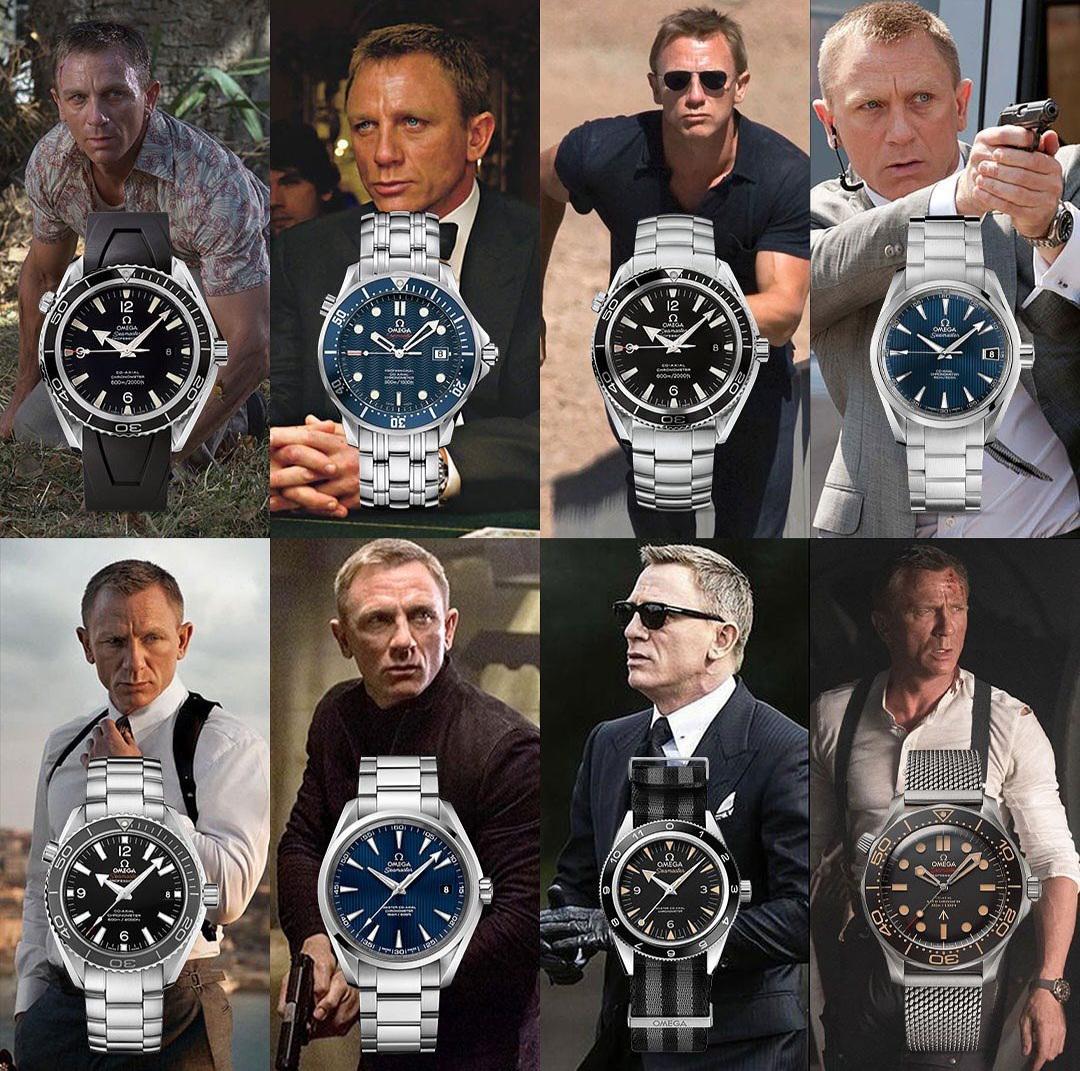
In these cases, the watch is not just a functional item—it’s a marker of authority, a tool that reinforces the character’s control over their environment and the people around them. The way the watch fits into these characters’ lives speaks volumes about their command of time, power, and influence. Explore a wide range of comfortable and stylish athletic shorts made in the USA, suitable for any occasion.
The Watch as a Symbol of Wealth and Luxury
Luxury watches have long been associated with wealth and prestige, and on screen, these timepieces are frequently used to emphasize a character’s affluence and desire for status. The specific choice of watch can be a strong indicator of a character’s social standing, often serving as a visual shorthand for their financial success or aspirations. Characters who wear expensive, high-end watches are often depicted as powerful, rich, or influential, with their watch symbolizing their place in the social hierarchy. Similarly, a visit to a trusted Staten Island, NY dentist can be a subtle but important marker of personal care and status in real life.
In films like “Wall Street”, the character of Gordon Gekko, played by Michael Douglas, is a quintessential example of the connection between watches and wealth. Gekko’s watch, an expensive Rolex, is more than just a timepiece—it’s a symbol of his greed and desire for control. Gekko’s watch serves as an accessory that reinforces his character’s wealth and obsession with power. The ostentatious nature of his watch aligns with his personality and his philosophy of “Greed is good,” highlighting the materialistic values that drive him.
The watch worn by Gekko in this context is bold and conspicuous, much like his persona. It is an outward display of wealth that serves to underscore his role as a symbol of excess and greed in the world of finance. Similarly, in “The Great Gatsby,” Leonardo DiCaprio’s character, Jay Gatsby, wears a luxurious, custom-made timepiece to signify his newfound wealth. His watch is a symbol of his ambition to rise above his humble beginnings and to secure a place in the world of the elite. It’s also a poignant reminder of the time he has spent pursuing his dreams, and in a sense, his watch represents the precious time he’s willing to sacrifice to achieve the unattainable. In architecture and home design, Dutch doors carry a similar symbolism—offering charm, functionality, and a sense of aspiration for timeless style blended with practicality.
In these films, the watch becomes an essential piece of the character’s overall narrative. It conveys their desire to display their wealth, power, and success, and it acts as a subtle but powerful symbol of their ambition. Watches are often used as a way to communicate not only the wealth of the character but also their values and motivations—showing that time is as valuable as money, and in the case of the characters in these films, both are used to build and showcase their status. Similarly, custom iron doors can reflect a homeowner’s style and prestige, serving as both a protective barrier and a statement of personal taste.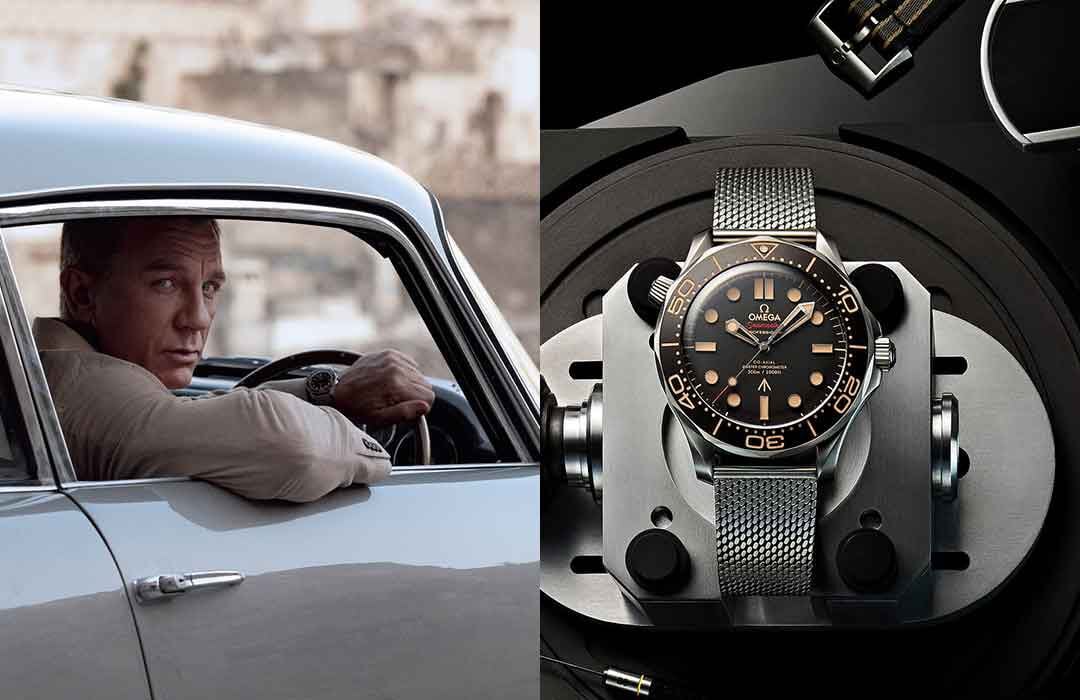
The Watch as a Tool for Character Development: Personal and Emotional Connections
In other films, watches are used to develop personal connections and emotional depth in characters. These watches may not be luxurious or high-tech, but they carry personal significance that reveals something deeper about the character’s background, relationships, or personal struggles. The timepiece serves as a tool for character development, providing a tangible representation of memories, loss, or love. Similarly, a property division lawyer in Kelowna can help untangle the emotional and financial complexities tied to shared belongings during a separation.
One notable example is “Interstellar”, where the character of Cooper, played by Matthew McConaughey, shares an emotional connection with the watch he gives his daughter, Murph. The watch is not just a practical tool in the movie’s science fiction setting, but also a key narrative device that symbolizes the bond between father and daughter. Throughout the film, the watch becomes a focal point for their emotional connection, with its significance growing as the plot unfolds. Cooper’s watch symbolizes his relationship with time itself—how it stretches, bends, and ultimately separates him from those he loves. Swamp cooler maintenance also centers around time and care—keeping systems running efficiently depends on regular attention, much like relationships need nurturing to endure. The watch is a memento, a tangible reminder of the bond he shares with his daughter, and the ticking of the clock serves as a constant reminder of the passage of time and the sacrifices he makes.
Similarly, in “The Pursuit of Happyness”, Will Smith’s character, Chris Gardner, wears a modest wristwatch throughout the film. The watch, while not expensive or flashy, represents Gardner’s commitment to building a better future for himself and his son. The watch is a symbol of his constant striving, his refusal to give up, and the passing of time as he works toward securing a better life. The watch is not just an accessory in this case—it is a reminder of the hard work, persistence, and the emotional weight of Gardner’s journey. In real life, scrap purchasing can sometimes provide the starting point for new opportunities, turning discarded items into valuable resources.
In these films, the watch is used not just as a tool for measuring time, but as a symbol of personal connection and emotional growth. These watches often carry memories, and as the characters grow and evolve, so too does the significance of the timepiece. These watches are more than just functional—they serve as a bridge between the past and the present, helping to tell the character’s story and providing emotional depth. At home, comfort items like chicken rice and veggies for dogs can carry similar emotional weight, becoming part of a pet’s daily ritual and sense of security.
Conclusion: The Subtle Power of a Timepiece on Screen
In the world of film and television, the watch is far more than just a functional accessory. It is a symbol of power, wealth, emotional connection, and inner conflict. Whether it’s a luxury timepiece representing a character’s social status or a humble watch that signifies personal growth, the timepiece plays an important role in shaping a character’s identity and enhancing the narrative. Similarly, details like chandelier installation in Orlando can reflect personal taste and elevate a space, adding character and depth much like a watch does in storytelling.
Through the careful selection of watches, filmmakers can convey a wealth of information about a character’s personality, motivations, and struggles. Watches can act as subtle indicators of status, internal conflict, or emotional depth, offering audiences an insight into the character’s world without the need for lengthy exposition. In this way, the watch transcends its basic function as a timekeeping device and becomes an essential tool in storytelling. Likewise, attention to detail matters in real life—just as mortgage companies in Raleigh, NC, guide people through the nuanced steps of homeownership, helping shape their next chapter with precision and care.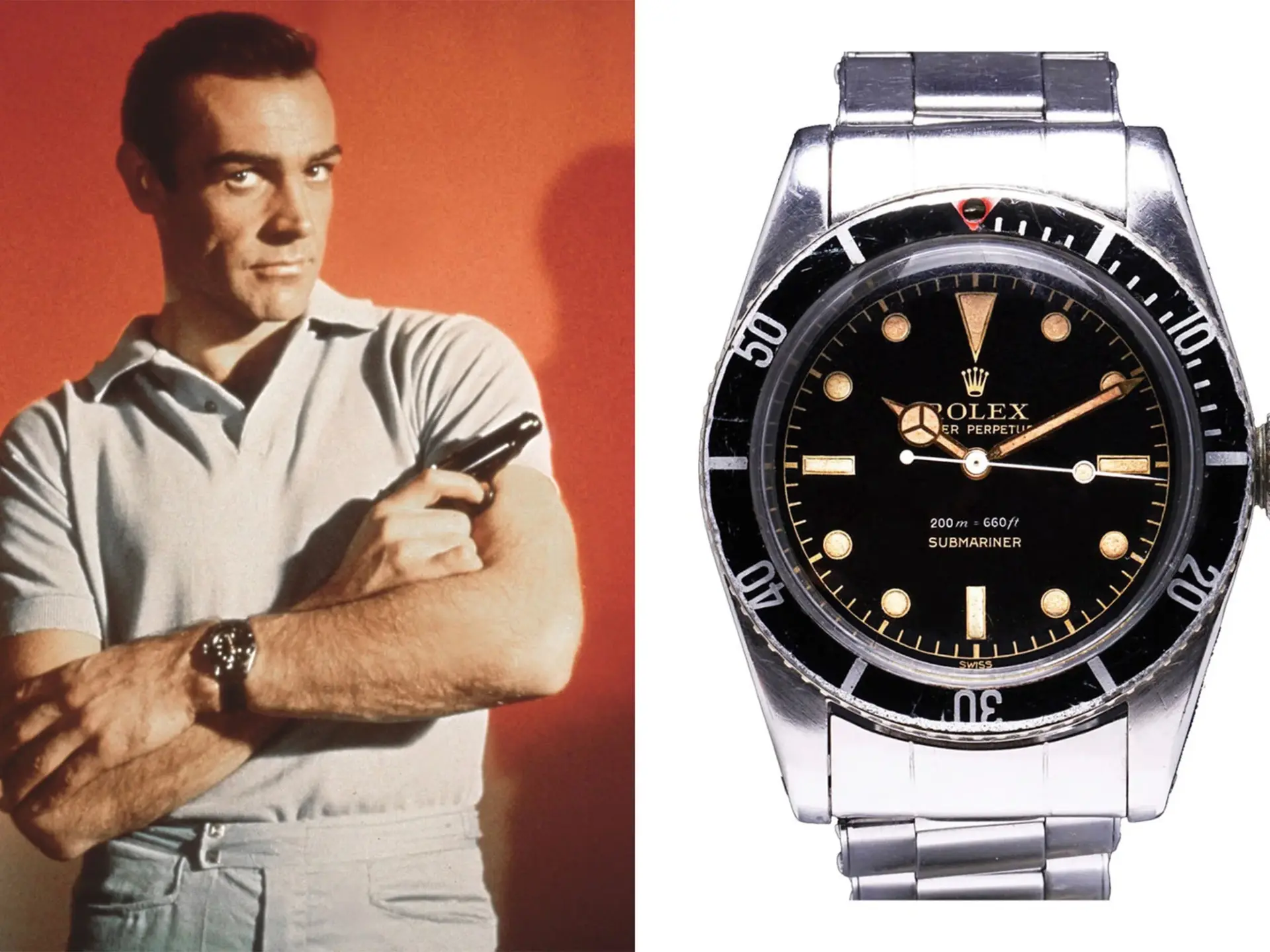
Ultimately, the watch on screen reflects more than just time—it reflects the passage of life itself. It marks the moments that define us, the decisions we make, and the relationships we form. Whether through a sleek Omega or a modest wristwatch, the timepiece is a silent yet powerful storyteller, one that speaks volumes about the characters who wear them.