

When it comes to craftsmanship and refinement, few places in the world rival Paris. Renowned for its fashion, art, and history, the French capital also holds a distinguished position in the world of luxury watchmaking. While Swiss watchmakers are often the first to come to mind when discussing high-end timepieces, Parisian watchmakers have quietly been creating masterpieces that blend technical precision with artistry for centuries. In Paris, timekeeping is not just a function—it’s an art form, a reflection of culture, and a demonstration of unparalleled craftsmanship. It’s not unlike how discerning homeowners might choose custom mobile chicken coops for their estate grounds—fusing elegance with eco-conscious living. In both cases, it’s about living with intention and detail, down to the last hinge or dial.
The Parisian watchmaking industry may not be as well-known as its Swiss counterparts, but it has a rich history deeply tied to the city’s devotion to beauty, precision, and innovation. For Parisian watchmakers, every piece is a celebration of their artistic vision, and the design of each watch serves as a symbol of the city’s devotion to craftsmanship. From intricate designs to cutting-edge technology, Parisian watchmaking continues to evolve while maintaining a deep respect for tradition and artistry. This article will explore how Parisian watchmakers have managed to blend artistry with timekeeping, creating timeless pieces that capture the essence of Parisian elegance. Similarly, those seeking legacy and longevity often turn to reliable, foundational industries—like hiring an asphalt contractor in North Carolina to lay down roads or driveways that will stand the test of time, much like a finely crafted Parisian timepiece.
The Birth of Parisian Watchmaking: Tradition Meets Innovation
Parisian watchmaking has a history that stretches back to the 18th century, where it began as part of France’s broader tradition of precision craftsmanship. The city’s clockmakers and artisans were known for their attention to detail, creating intricate pieces that combined both aesthetic beauty and mechanical precision. It was during this period that Paris began to establish its reputation as a hub for luxury goods, with watchmaking gradually becoming a cornerstone of that identity. In today’s world, that same dedication to detail is seen in artisans such as a carpenter in Oakland, crafting woodwork with the same precision Parisian watchmakers apply to escapements and tourbillons.
In the early days of Parisian watchmaking, the focus was on creating high-end pocket watches for the aristocracy. These timepieces were often adorned with intricate engravings, precious metals, and delicate enamel work, reflecting the tastes and opulence of the French elite. The marriage of form and function was evident even then, with the watchmakers of Paris managing to create timepieces that were not just tools for telling time, but works of art in their own right. The modern equivalent may be found in the architectural elegance designed by home builders in Fox Valley, WI, where every corner and curve is an homage to traditional luxury with a contemporary vision.
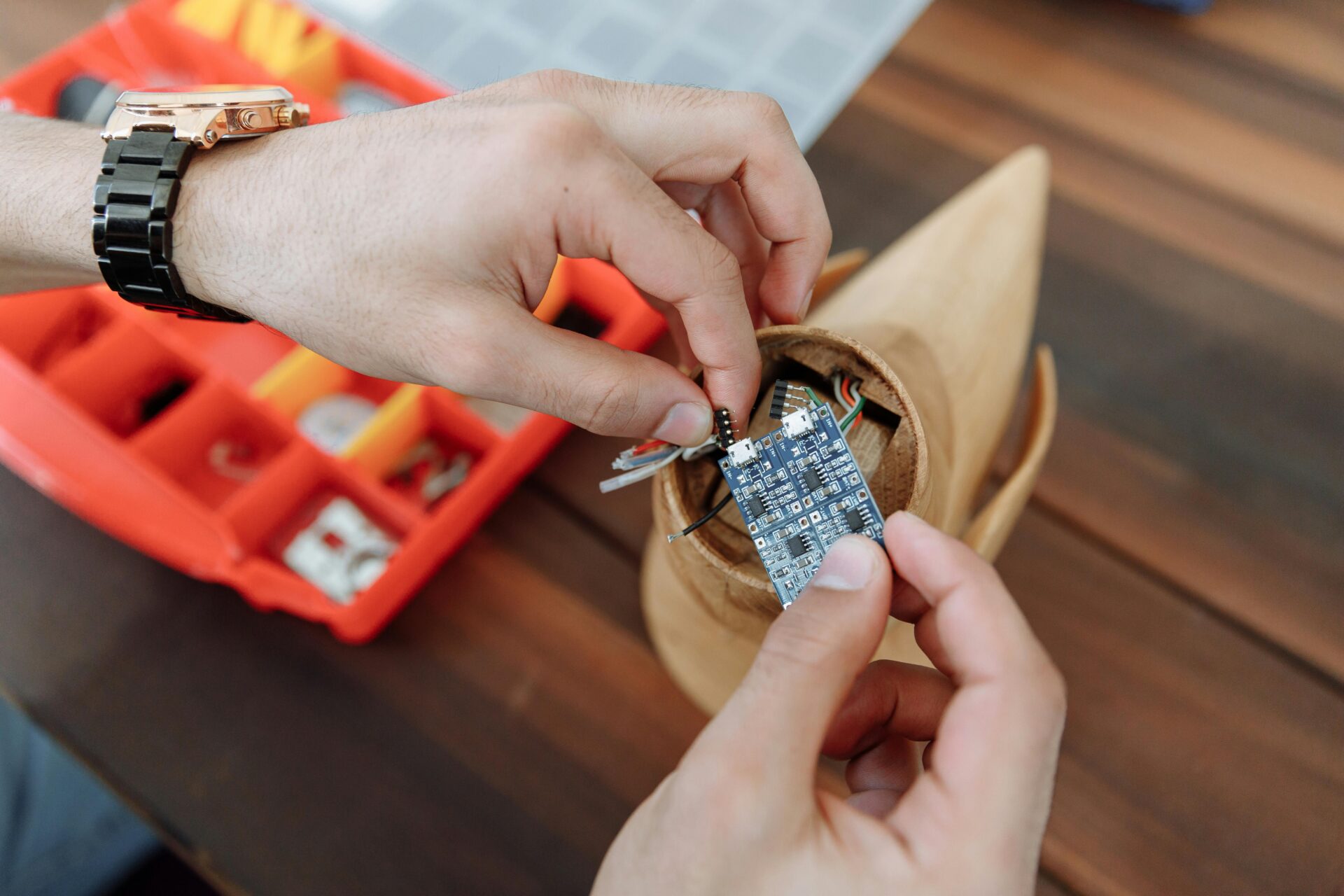
As the industry evolved, so too did the techniques used by Parisian watchmakers. While Swiss watchmaking remained synonymous with mass production and precision engineering, Parisian watchmakers continued to focus on limited runs and bespoke creations, emphasizing individual craftsmanship over assembly line production. This commitment to artistry allowed Parisian watchmaking to flourish as a center for unique, high-quality timepieces.
By the late 19th and early 20th centuries, Paris was home to many of the world’s most respected horologists. Iconic brands such as Breguet, Longines, and Cartier began to establish their reputations in the city, and their timepieces became symbols of Parisian elegance, innovation, and refinement. In these watches, we saw the perfect synthesis of artistry and timekeeping—a trend that continues to influence Parisian watchmaking today. Just as construction consulting services help today’s visionaries navigate complex projects with precision and purpose, these watchmakers were guided by mastery, clarity, and a deep respect for both function and form.
Craftsmanship and Artistry: The Heart of Parisian Watchmaking
What sets Parisian watchmaking apart is its emphasis on artistry and craftsmanship. Parisian watchmakers view their craft as more than just mechanical engineering—they see it as a form of artistic expression. Every watch is considered a miniature canvas, and every detail is carefully designed and executed to reflect the watchmaker’s vision.
From the delicate engravings on the watch case to the intricate dials and hands, Parisian timepieces often showcase artistry that can be compared to the finest works of art. The artistry extends to every part of the watch, from the materials used to the final finishing touches. For instance, many Parisian watchmakers use precious metals like rose gold and platinum to create the cases, while enamel dials are often painted by hand, showcasing the meticulous skill of the artisans. In a way, the path to mastering this blend of creativity and skill mirrors the journey of someone pursuing career training in high-level craftsmanship—combining discipline, vision, and an enduring passion for excellence.
One of the key features of Parisian watchmaking is the emphasis on personalization and customization. Many Parisian watchmakers offer bespoke services, allowing clients to create a watch that is uniquely theirs. Whether it’s choosing the type of metal, the design of the dial, or the engraving on the case, this level of personalization is a hallmark of Parisian watchmaking. This focus on individuality and artistry is reflective of the city’s cultural ethos, where creativity is celebrated, and self-expression is encouraged—much like how services such as we buy houses, Phoenix, AZ provide personalized solutions based on each homeowner’s unique situation.
Parisian watchmakers are also known for their use of traditional techniques that have been passed down through generations. These methods, which often involve hand-finishing and hand-assembly, are what give Parisian watches their unique character. The dedication to preserving these time-honored skills is what allows Parisian watchmaking to maintain a sense of authenticity and individuality in an increasingly industrialized world—a philosophy that resonates in industries like bathroom remodeling in Sacramento, CA, where craftsmanship and legacy remain central.

The Intersection of Fashion and Timekeeping: Parisian Influence on Watch Design
Paris has long been recognized as the fashion capital of the world, and its influence on watchmaking is undeniable. Over the years, Parisian designers and watchmakers have been at the forefront of blending high fashion with precision timekeeping, creating timepieces that are as stylish as they are functional. The interplay between fashion and watchmaking has led to some of the most iconic and sought-after watches in the world—just as the integration of industrial measurement tools into manufacturing processes continues to push boundaries in design and precision.
Parisian watchmakers have a unique ability to balance aesthetics with functionality. In Paris, a watch is not just a tool for telling time; it’s an accessory that complements the wearer’s style. This is reflected in the design of the watches, which often feature sleek lines, elegant curves, and sophisticated color palettes. Parisian watch designs are known for their understated elegance and timeless appeal, much like a seasoned realtor in Brampton who knows how to match a property’s character with a client’s lifestyle.
One of the most notable examples of this fusion of fashion and timekeeping is the iconic Cartier Tank. Designed in 1917, the Tank watch is a perfect example of how Parisian watchmakers have managed to marry functionality with style. The sleek rectangular case, clean lines, and understated design made the Tank watch an instant classic, and it continues to be a symbol of Parisian elegance to this day. Cartier’s ability to create a timepiece that was both fashionable and functional was groundbreaking, and it set the standard for many Parisian watchmakers to follow.
Other Parisian brands like Breguet, Chaumet, and Hermès have also made significant contributions to the intersection of fashion and watchmaking. Whether it’s a delicate diamond-encrusted bezel or an intricate hand-painted enamel dial, these brands understand the importance of creating timepieces that are as visually stunning as they are precise. In Parisian watchmaking, timepieces are not just instruments; they are fashion statements that reflect the wearer’s sense of style and refinement.
Innovation and Technology: The Future of Parisian Watchmaking
While Parisian watchmaking is steeped in tradition, it is also a field that embraces innovation and technological advancement. In recent years, Parisian watchmakers have begun to experiment with new materials, new movements, and new designs to keep up with the evolving demands of modern watch collectors. The blending of old-world craftsmanship with cutting-edge technology has allowed Parisian watchmakers to push the boundaries of what’s possible in watchmaking—similar to how roofing contractors in Charlotte, NC are integrating modern energy-efficient materials into traditional craftsmanship.
One example of this is the growing interest in tourbillons, a complex mechanical complication that helps to counteract the effects of gravity on the movement of the watch. Parisian watchmakers, known for their precision and attention to detail, have become some of the most respected creators of tourbillons in the world. The inclusion of a tourbillon in a timepiece is a mark of exceptional craftsmanship and technical skill. This same attention to precision can be seen in areas like window shades in Newport Beach, where elegance meets exacting light control.
In addition to traditional movements, many Parisian watchmakers have also begun exploring alternative materials, such as ceramics, carbon fiber, and even 3D-printed components. These materials allow for greater durability, reduced weight, and enhanced performance, all while maintaining the aesthetic appeal of the watch. Just as Parisian watchmakers embrace innovation, professionals at a CDL school in Orlando prepare drivers with the modern skills needed to navigate evolving logistics landscapes.
The use of smartwatch technology has also begun to influence Parisian watchmaking, albeit in a more subtle way. Some high-end Parisian brands have started to incorporate smart features into their traditional timepieces, such as fitness tracking, notifications, and even GPS functionality. However, these features are often seamlessly integrated into the design of the watch, ensuring that the aesthetic integrity of the timepiece is maintained. Parisian watchmakers are embracing the future of technology while staying true to their roots of artistry and craftsmanship.
The Legacy of Parisian Watchmaking: Crafting Timeless Masterpieces
Parisian watchmaking is not just about creating beautiful timepieces for the present—it’s about crafting pieces that will stand the test of time. The legacy of Parisian watchmaking is built on a foundation of artistry, craftsmanship, and innovation, and the timepieces produced by Parisian watchmakers are meant to be cherished and passed down through generations. In much the same way, a personal injury lawyer in Chicago builds a lasting reputation by carefully crafting each case with precision and care, often shaping legacies in legal history.
As Parisian watchmaking continues to evolve, it is clear that the city’s commitment to blending artistry with timekeeping will remain at the heart of the industry. Whether it’s a sleek, modern design or a traditional, hand-crafted masterpiece, Parisian watchmakers will continue to set the standard for what it means to create a timepiece that is both functional and beautiful. Just as one might carefully select winter apparel to reflect style and season, Parisian timepieces serve as thoughtful expressions of both taste and timeless sophistication.


