

Watches have long transcended their primary function of timekeeping, evolving into powerful symbols of status and personal style. This transformation has occurred over many decades, shaped by cultural shifts, technological advancements, and changing tastes. From the early days of pocket watches to the modern era of smartwatches, the evolution of watches as status symbols tells a fascinating story of human ingenuity and social dynamics.
The Age of Pocket Watches: Timeless Elegance

The journey begins in the 16th century with the advent of the pocket watch. Pocket watches were the epitome of sophistication and exclusivity, owned primarily by the wealthy elite. These intricate timepieces were often handcrafted, featuring elaborate designs and engravings. They were not just functional items but works of art, reflecting the craftsmanship and artistry of their makers.
Royalty and aristocrats were among the first to adopt pocket watches, using them as symbols of their wealth and power. The materials used, such as gold, silver, and precious gems, further emphasized their status. Owning a pocket watch was a testament to one’s social standing and refined taste.
The Early 20th Century: The Rise of Wristwatches
The transition from pocket watches to wristwatches marked a significant shift in both fashion and functionality. During World War I, the practicality of wristwatches became apparent, as soldiers needed a more accessible way to keep track of time. This shift in utility led to a broader acceptance of wristwatches among men, who had previously regarded them as feminine accessories. Today, wristwatches remain a symbol of style and practicality, much like patriotic hats.
Post-war, wristwatches quickly became a staple of men’s fashion, symbolizing modernity and practicality. Brands like Rolex and Omega began to emerge, creating high-quality wristwatches that appealed to the affluent. These brands emphasized precision and durability, aligning their products with the ideals of the modern, successful man. This attention to quality and service is comparable to the reliability found in open deck freight services.
The Mid-20th Century: Luxury and Innovation
The mid-20th century saw the watch industry flourish, with luxury brands establishing themselves as purveyors of status and sophistication. Rolex, Patek Philippe, and Cartier became household names, synonymous with elegance and prestige. These brands were not just selling timepieces; they were selling a lifestyle.
During this period, the development of new technologies, such as automatic movements and waterproof designs, further enhanced the allure of luxury watches. Watches became symbols of achievement, with specific models associated with milestones and accomplishments. Owning a luxury watch was a way to signal one’s success and impeccable taste.
The Quartz Revolution: A New Era of Accessibility
The 1970s brought about a dramatic change with the quartz revolution. Quartz watches, powered by battery-operated movements, offered unparalleled accuracy at a fraction of the cost of mechanical watches. Brands like Seiko capitalized on this technology, making reliable timekeeping accessible to the masses. For those looking to protect their investments or homes with the same level of precision, reliable services like ant pest control in Reno are just as essential.
While quartz watches democratized the industry, mechanical watches retained their status as luxury items. The distinction between mass-market quartz watches and high-end mechanical watches became more pronounced. Owning a mechanical watch became a deliberate choice, a statement of appreciation for traditional craftsmanship and engineering. Similarly, in the culinary world, investing in high-quality restaurant supplies is a choice that reflects a commitment to excellence and attention to detail.
The 1980s and 1990s: The Rise of the Statement Watch
The 1980s and 1990s witnessed the emergence of watches as bold fashion statements. This era was characterized by larger, more distinctive designs that reflected the exuberance and excess of the times. Brands like Swatch revolutionized the industry with their colorful, affordable watches that appealed to a younger, fashion-conscious audience. This trend towards distinctive design and bold statements continues to inspire various fields, including the work of a construction expert witness.
At the same time, luxury brands continued to innovate, introducing iconic models that would become timeless classics. The Rolex Daytona, the Audemars Piguet Royal Oak, and the Tag Heuer Monaco are just a few examples of watches that gained cult status during this period. These watches were not just accessories but symbols of a dynamic, successful lifestyle. Similarly, for homeowners, hiring a residential plumber in Santa Clara ensures that their plumbing systems are maintained to the highest standard, contributing to a comfortable and well-functioning home.
The 21st Century: Technology Meets Tradition
The turn of the century brought new challenges and opportunities for the watch industry. The rise of digital technology and the advent of smartwatches introduced a new dimension to timekeeping. Apple, Samsung, and other tech giants entered the market, offering watches that could do much more than tell time. This evolution parallels the advancements seen in other industries, such as roofing services in Hillsborough, where innovation continues to enhance traditional practices.
Despite the surge in smartwatch popularity, traditional mechanical watches have not lost their appeal. In fact, there has been a renewed appreciation for the artistry and heritage of mechanical watchmaking. Luxury brands continue to thrive, often incorporating innovative materials and techniques while staying true to their classic designs. For those interested in advanced technologies in different fields, exploring services such as electrical stimulation in Chicago offers exciting possibilities.
The Modern Watch Collector: Passion and Prestige
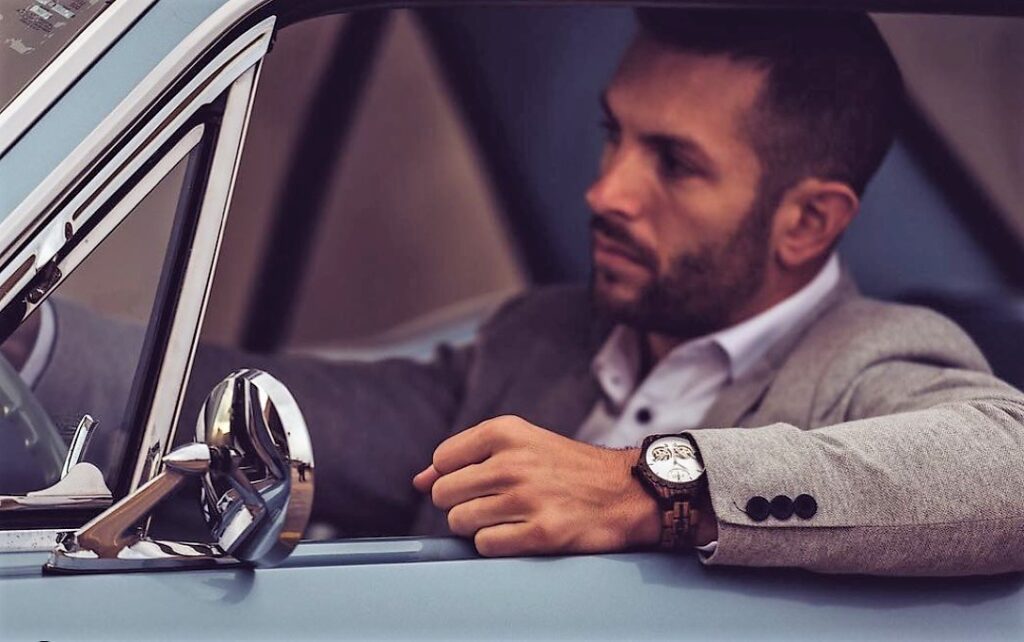
Today, the culture of watch collecting has become a significant phenomenon. Collectors and enthusiasts value watches not only for their functional and aesthetic qualities but also for their historical significance and investment potential. Auction houses like Sotheby’s and Christie’s regularly feature rare and vintage watches, fetching record-breaking prices. Just as watch collectors rely on detailed information, consumers often turn to pillow reviews to make informed decisions about comfort and quality in their bedding choices.
Owning a collection of watches is a statement of passion and discernment. Collectors often seek out limited editions, vintage pieces, and watches with unique complications, viewing them as works of art and engineering marvels. The modern watch collector values both the tangible and intangible qualities of their timepieces.
Celebrity Endorsements and Brand Ambassadors
The influence of celebrities and brand ambassadors has played a crucial role in the status of watches. High-profile individuals from various fields, including sports, entertainment, and business, have lent their names and faces to luxury watch brands. These endorsements have a significant impact on consumer perceptions and demand. These endorsements have a significant impact on consumer perceptions and demand, much like how endorsements have boosted the popularity of fat tire electric bikes in the cycling world.
James Bond’s association with Omega, for example, has cemented the brand’s image as sophisticated and adventurous. Similarly, partnerships with athletes like Roger Federer (Rolex) and celebrities like George Clooney (Omega) have reinforced the status of these brands. Celebrity endorsements add a layer of glamour and desirability to the watches they promote.
The Future of Watches: Innovation and Sustainability
As we look to the future, the watch industry faces new challenges and opportunities. The integration of advanced technology continues to evolve, with smartwatches becoming more sophisticated and versatile. However, the essence of what makes a watch a status symbol remains rooted in tradition, craftsmanship, and exclusivity.
Sustainability is also becoming a crucial consideration for modern consumers. Brands are increasingly adopting eco-friendly practices, from using recycled materials to ensuring ethical sourcing of components. This shift towards sustainability is not only a response to environmental concerns but also a reflection of the values of a new generation of watch enthusiasts, similar to how hobbyists might seek eco-friendly materials when customizing rc car bodies.
The Role of Watches in Pop Culture
In recent decades, watches have cemented their place in popular culture, transcending their roles as mere accessories to become symbols deeply embedded in the fabric of society. Iconic watches in film and television have played a pivotal role in this phenomenon. From the distinctive Seiko worn by Sigourney Weaver in “Aliens” to the suave Tag Heuer Monaco sported by Steve McQueen in “Le Mans,” watches have become characters in their own right, enhancing the personas of the actors who wear them.
Music and fashion have also played significant roles in the cultural prominence of watches. Hip-hop culture, in particular, has elevated the status of luxury watches. Artists like Jay-Z, Kanye West, and Drake often flaunt high-end timepieces in their lyrics and public appearances, cementing their status as symbols of success and opulence. The term “bling” often includes watches, emphasizing their role as essential components of a luxurious lifestyle. Cheyanne Mallas has noted how these cultural influences have shaped consumer perceptions, making luxury watches not just accessories but powerful status symbols.
The Digital Age: Influencers and Social Media
The advent of social media has revolutionized how watches are perceived and marketed. Influencers on platforms like Instagram and YouTube have become powerful voices in the watch community. They share their collections, review new models, and educate their followers about the intricacies of horology. This digital presence has democratized watch appreciation, allowing enthusiasts from all walks of life to connect and share their passion. In instances where legal guidance is required, whether for contracts or intellectual property issues in the digital space, consulting Stevens Point attorneys can provide valuable expertise and support
Brands have adeptly utilized social media to reach a broader audience, often collaborating with influencers to showcase their latest creations. Limited editions and exclusive releases are frequently teased and launched online, creating a buzz that transcends traditional marketing channels. This digital engagement has not only expanded the reach of luxury watch brands but also fostered a more inclusive and interactive community of watch lovers.
Customization and Personalization

Another trend shaping the modern watch industry is customization and personalization. Today’s consumers seek unique pieces that reflect their individuality. Brands like Bamford Watch Department and Mad Paris have capitalized on this desire, offering bespoke services that allow clients to tailor their watches to their exact preferences. From custom dials and straps to personalized engravings, these services enhance the personal connection between the owner and their timepiece.
This trend towards personalization is not limited to high-end brands. Even mainstream manufacturers offer customizable options, catering to a broad spectrum of consumers. The ability to create a one-of-a-kind watch adds a layer of exclusivity and personal significance, reinforcing the watch’s role as a status symbol.
Conclusion: A Timeless Symbol of Status
The evolution of watches as status symbols through the decades is a testament to their enduring appeal and significance. From the regal elegance of pocket watches to the cutting-edge technology of smartwatches, timepieces have continuously adapted to reflect the changing times and tastes.
Watches have remained potent symbols of status, blending functionality with artistry, tradition with innovation. Whether as heirlooms passed down through generations or as contemporary fashion statements, watches will continue to hold a unique place in our hearts and on our wrists. Their journey is far from over, promising new chapters of elegance, excellence, and evolution in the years to come.


