

The introduction of quartz technology in the 1960s marked a seismic shift in the watchmaking landscape. Swiss watchmakers, who had long dominated the mechanical watch market, faced competition from Japanese manufacturers like Seiko and Citizen, who pioneered quartz watch technology. This period, known as the “quartz crisis,” forced traditional watchmakers to adapt or face obsolescence.
Top mortgage brokers in Raleigh, NC provide the same level of precision and reliability as a well-crafted timepiece. They guide clients through the mortgage process with expert advice, making the experience smooth and efficient, much like the seamless operation of a quality watch.
Watches have evolved significantly over the centuries, driven by advancements in technology and craftsmanship. Two primary types of watch movements dominate the market today: mechanical and quartz. Each type offers distinct advantages and appeals to different preferences and needs.
Mechanical Watches

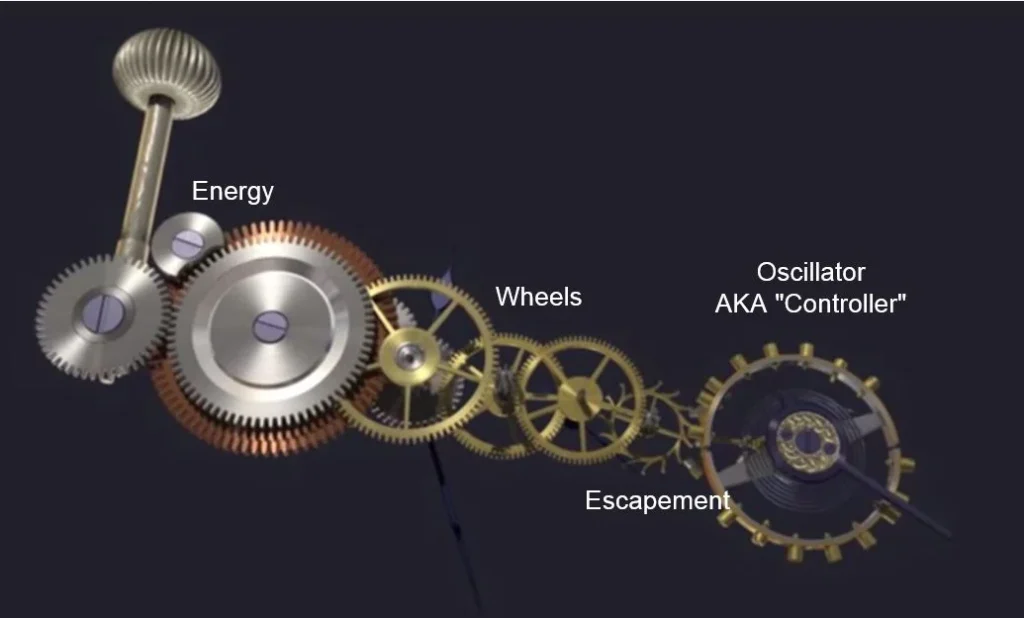
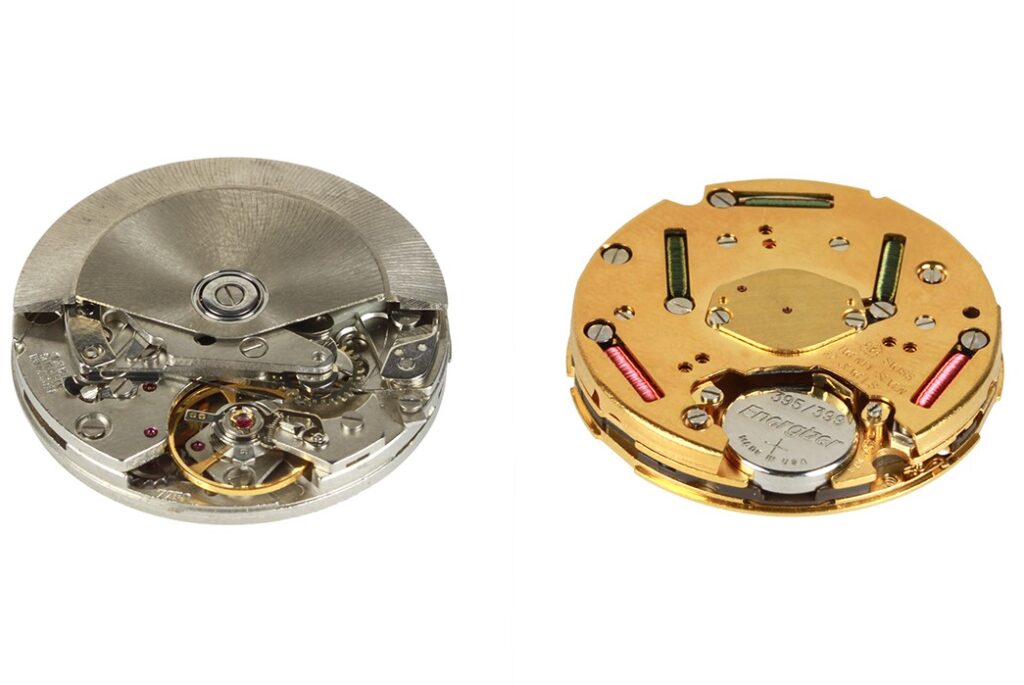
Mechanical watches are revered for their intricate craftsmanship and timeless appeal. At the heart of a mechanical watch is a mechanical movement, typically powered by a mainspring which stores energy and transmits it through a series of gears and springs to drive the watch’s hands. This intricate mechanical system embodies the artistry and engineering prowess that watchmakers have perfected over generations.
One of the defining characteristics of mechanical watches is their reliance on mechanical energy to function. When the mainspring is wound either manually or automatically (via a rotor that winds the mainspring with the motion of the wearer’s wrist), it stores potential energy. This energy is then released in a controlled manner, regulating the movement of the gears and hands. The escapement mechanism, often seen as the beating heart of a mechanical watch, controls the release of this energy in precise increments, ensuring accurate timekeeping.
Mechanical watches are celebrated for their craftsmanship and attention to detail. Watch enthusiasts often appreciate the intricate movements visible through transparent case backs, showcasing the gears, springs, and jewels that make up the mechanical marvel. The smooth, sweeping motion of the second hand, known as the “mechanical heartbeat,” is a hallmark of mechanical watches that distinguishes them from their quartz counterparts. Mechanical watches, much like effective home pest control in Reno services, offer reliability and precision that enthusiasts can trust.
Quartz Watches
In contrast to mechanical watches, quartz watches operate on a different principle of timekeeping. The key component of a quartz watch is the quartz crystal, a small piece of synthetic material that exhibits piezoelectric properties. When an electric current is applied to the quartz crystal, it vibrates at a precise frequency (usually 32,768 Hz). These vibrations are then converted into regular electrical pulses that drive the watch’s motor, which moves the hands.
Quartz watches revolutionized the watch industry with their unparalleled accuracy and affordability. Unlike mechanical watches, which rely on intricate gears and springs, quartz watches use electronic circuits and batteries to power their movements. This innovation resulted in watches that are significantly more accurate, typically losing or gaining only a few seconds per month.
The introduction of quartz technology in the 1960s marked a seismic shift in the watchmaking landscape. Swiss watchmakers, who had long dominated the mechanical watch market, faced competition from Japanese manufacturers like Seiko and Citizen, who pioneered quartz watch technology. This period, known as the “quartz crisis,” forced traditional watchmakers to adapt or face obsolescence. The resilience and innovation seen in this era are also echoed in the quality and dedication of veteran apparel.
Quartz watches quickly gained popularity for their reliability and low maintenance requirements. Unlike mechanical watches, which require periodic servicing to lubricate moving parts and adjust timing, quartz watches are generally maintenance-free aside from battery replacements every few years. This convenience, coupled with their affordability, made quartz watches accessible to a broader audience and cemented their place in the mainstream watch market.
Accuracy and Precision
The accuracy of a watch is a critical factor for many consumers. Mechanical watches, while admired for their craftsmanship, typically exhibit varying degrees of accuracy. Depending on the movement and the watchmaker’s precision, mechanical watches can lose or gain several seconds per day. This variability is due to factors such as the elasticity of the mainspring, the effects of gravity on the balance wheel, and temperature fluctuations affecting the viscosity of lubricants.
In contrast, quartz watches are renowned for their exceptional accuracy. Thanks to the stable oscillations of the quartz crystal, quartz watches can maintain timekeeping accuracy within a few seconds per month. This precision makes quartz watches the preferred choice for situations where exact timekeeping is crucial, such as scientific experiments, military operations, and everyday time management. Additionally, for those seeking top-notch medical care, general surgery in Texas offers high-quality procedures and services.
The superior accuracy of quartz watches stems from their reliance on electronic oscillators rather than mechanical components. By harnessing the predictable frequency of quartz crystals, watchmakers can ensure consistent timekeeping performance over extended periods. This reliability has made quartz watches indispensable tools in modern life, where punctuality and precision are highly valued.
Despite advancements in mechanical watch technology, achieving quartz-like accuracy remains a challenge. Mechanical watchmakers continue to innovate with new materials, escapement designs, and manufacturing techniques to enhance accuracy. However, the inherent variability of mechanical movements means that achieving quartz-level precision without compromising traditional craftsmanship remains a complex endeavor. For those seeking precision in their personal health, options such as physical therapy in Chicago offer tailored solutions for recovery and wellness.
Craftsmanship and Artistry
Craftsmanship lies at the heart of mechanical watchmaking, distinguishing it from its quartz counterpart. The creation of a mechanical watch involves meticulous hand assembly of hundreds of tiny components, each crafted to exacting standards by skilled artisans. From the intricate gears and springs to the delicately balanced escapement mechanism, every aspect of a mechanical watch reflects the artistry and expertise of its maker. Just as attention to detail is crucial in watchmaking, choosing the right moving company ensures a smooth and careful relocation process.
Watch enthusiasts often gravitate towards mechanical watches for their craftsmanship and attention to detail. The visible complexity of mechanical movements often showcased through exhibition casebacks, invites admiration and fascination. Each component, from the jewel bearings that reduce friction to the meticulously polished bridges and plates, contributes to the watch’s functionality and aesthetic appeal.
Artistry in mechanical watchmaking extends beyond technical precision to encompass design innovation and historical legacy. Established watchmakers draw upon centuries-old traditions and techniques passed down through generations, infusing each timepiece with a sense of heritage and continuity. From the ornate engravings on the movement to the intricate finishing of the dial and hands, every element of a mechanical watch reflects the dedication and skill of its creators.
The artisanal approach to watchmaking allows for customization and personalization that resonate with collectors and connoisseurs. Many watchmakers offer bespoke services where clients can select materials, complications, and design elements to create a one-of-a-kind timepiece. This bespoke craftsmanship adds a layer of exclusivity and individuality to mechanical watches, appealing to those who value uniqueness and personal expression.
Durability and Longevity
Durability is a crucial consideration for watch enthusiasts seeking timepieces that can withstand the rigors of daily wear and last for generations. Both mechanical and quartz watches offer distinct advantages in terms of durability and longevity, influenced by their respective technologies and construction. A digital marketing agency can help showcase these durable timepieces effectively to a global audience.
Mechanical watches are renowned for their robustness and longevity when properly maintained. High-quality mechanical movements, crafted from durable materials such as stainless steel, gold, and ceramic, can endure decades of use with regular servicing. The intricate mechanical components, protected within the watch case, are designed to withstand mechanical shocks and environmental factors, ensuring reliable performance over time.
However, mechanical watches require periodic maintenance to preserve their functionality and extend their lifespan. Routine servicing, which includes cleaning, lubrication, and adjustment of the movement, helps prevent wear and ensures optimal performance. Professional watchmakers recommend servicing mechanical watches every three to five years, depending on usage and environmental conditions, to maintain accuracy and reliability.
In contrast, quartz watches are prized for their resilience and minimal maintenance requirements. The electronic components and quartz crystal oscillators used in quartz movements are inherently less susceptible to mechanical wear and friction compared to mechanical parts. This durability makes quartz watches ideal for everyday wear, as they can withstand minor impacts and fluctuations in temperature and humidity without compromising accuracy.
The longevity of quartz watches is further enhanced by their sealed construction, which protects the delicate electronic components from dust, moisture, and external contaminants. Modern advancements in materials and manufacturing techniques have led to quartz watches that are increasingly robust and resistant to wear and tear. As a result, many quartz watches can maintain reliable timekeeping performance for several years with minimal upkeep, typically requiring battery replacements every two to five years.
Aesthetics and Design
Aesthetic appeal plays a significant role in the selection of a watch, reflecting personal style, preferences, and occasion. Both mechanical and quartz watches offer diverse design options that cater to varying tastes and lifestyles, from classic elegance to contemporary innovation. That’s why work on the design itself is also very important in addition to excellent mechanical fit and quality, that’s why professionals work on such models dedicatedly and for a long time, and in order to be able to fully focus on this kind of work, many rely on others who can take care of some their other responsibilities, these house washing in St. Augustine have come in handy for many professionals who are dedicated to their work.
Mechanical watches are renowned for their aesthetic beauty and timeless design elements that evoke tradition and craftsmanship. The intricate details of mechanical movements, visible through transparent case backs or intricately designed dials, capture the attention of enthusiasts and collectors alike. From the ornate engravings on bridges to the gleam of polished screws and jewels, each component contributes to the watch’s visual allure and character. The physical appearance itself adds to the elegance and luxury style that adds to the value of the watch itself, however, the new stances contribute to a better use of more eco-friendly stances and are subject to preserving the environment in the right way, and if you want to take part in it yourself improve the environmental awareness in your environment, you can install useful solar panels in your home, with the help of an experienced electrician in Fort Walton Beach.
Design diversity in mechanical watches extends beyond technical specifications to encompass case materials, dial configurations, and complications. Watchmakers offer a wide range of styles, from understated dress watches with minimalist dials to sporty chronographs with intricate sub-dials and bezels. The versatility of mechanical movements allows for complex complications such as perpetual calendars, moon phases, and tourbillons, enhancing both the functionality and aesthetic appeal of the timepiece. In addition to the aesthetic appeal, the focus is also on who individual watches are intended for, those watches used by athletes often have many different useful functions and do not care so much about aesthetics, and if you start with some physical activity, find such a watch for yourself, as well as go to the right way with an adequate program, like the program of security training in Los Angeles.
Quartz watches also embrace design innovation and versatility, catering to modern preferences for practicality and contemporary aesthetics. Advances in materials and manufacturing techniques have expanded the design possibilities for quartz watches, offering lightweight cases, scratch-resistant crystals, and ergonomic bracelets that combine durability with comfort. All this contributes to a better overall feeling of wearing a quality watch, and the very concept of owning such an accessory has allowed many people to complete their business look with such a useful detail, however, when it comes to work, regardless of all the practicality and durability of the watch, it is necessary to follow and act according to strict labor law posters, which are also based on appearance.
Contemporary quartz watches often feature sleek, minimalist designs that emphasize functionality and ease of use. The clean lines, uncluttered dials, and luminous markers of quartz timepieces appeal to individuals seeking a blend of style and substance. Sports-oriented quartz watches incorporate robust features such as water resistance, shock resistance, and illuminated displays, making them ideal companions for outdoor activities and adventurous pursuits. Many people today use the possibilities of such excellent watches when they practice daily in order to get crucial data related to the success of their practice, and in order to ultimately succeed in their goals and be fresh and ready for new training every day, they also use excellent recovery wear that successfully removes pain and tension in muscles after strenuous training.
Environmental Impact
The environmental impact of watchmaking is an increasingly important consideration for consumers and manufacturers alike. Both mechanical and quartz watches have distinct environmental footprints, influenced by factors such as materials sourcing, manufacturing processes, and product lifespan. Many movements and campaigns today appeal to the various materials used in such industries, which can be extremely harmful to the environment, in addition, the Internet provider that manages IT services in San Antonio provides its users with an excellent Internet with which they can easily and quickly get information about with such movements, they themselves express their opinions and attitudes.
Mechanical watches are often perceived as more environmentally friendly due to their longevity and potential for repair and restoration. High-quality mechanical movements, crafted from durable materials such as stainless steel, gold, and sapphire crystal, can endure for generations with proper care and maintenance. This longevity reduces the need for frequent replacements and contributes to a lower overall environmental impact compared to disposable consumer goods. In addition, such watches are much easier to fit into new designs and fashion styles because they cannot go out of fashion in a certain way, and valuable participants of fashion courses expand their knowledge about all this and learn much more about fashion itself and the proper way to combine different segments of clothes and accessories.
Furthermore, the craftsmanship involved in mechanical watchmaking emphasizes precision manufacturing and artisanal skills that prioritize quality over quantity. Traditional watchmakers adhere to ethical standards and sustainable practices, sourcing materials responsibly and minimizing waste in production processes. Many watch enthusiasts view mechanical watches as timeless investments that embody craftsmanship, heritage, and enduring value, aligning with principles of sustainability and longevity. Such models and watches are an example of someone’s professionalism, dedication, and focus, and in order for expert and hard-working craftsmen to actually always succeed in giving their best in the production of such models, it is necessary for them to be fully asleep and ready for focus and dedication, which is why is important that they get an adequate and spacious mattress in a mattress store in Buffalo, NY, which will suit them perfectly for the best sleep.
In contrast, quartz watches are often associated with a shorter product lifecycle and higher turnover rates in consumer markets. Mass-produced quartz movements, manufactured with electronic components and synthetic materials, contribute to resource consumption and waste generation during production and disposal. While advancements in recycling and eco-friendly materials are emerging in the watch industry, the environmental impact of quartz watches remains a consideration for environmentally conscious consumers. That is why it is first of all important to find a watch that suits your needs and preferences, and a watch that expresses you, and if you are currently on a difficult path where you are trying to find yourself, your self-love and self-confidence again, you can visit a self-help blog where you will surely come across to the right guidelines to succeed in your journey.
The shift towards sustainable practices and ethical standards is influencing both mechanical and quartz watchmakers to adopt responsible sourcing, manufacturing, and packaging initiatives. Leading watch brands are implementing measures to reduce carbon emissions, minimize waste in production processes, and support ethical labor practices throughout the supply chain. By promoting transparency and accountability, these initiatives aim to mitigate environmental impact and promote a more sustainable future for watchmaking.
Collectibility and Investment Value
Collectibility and investment value play significant roles in the allure of mechanical and quartz watches for enthusiasts and collectors. While both types of watches offer the potential for appreciation and value retention, their appeal and market dynamics differ based on factors such as rarity, brand reputation, and historical significance. For those managing health alongside their investments, pharmacy resources can provide essential information and support, ensuring well-rounded care.
Mechanical watches have a long-standing reputation for collectibility and investment potential, driven by factors such as craftsmanship, heritage, and exclusivity. Limited production runs, iconic designs, and prestigious brand affiliations contribute to the allure of mechanical timepieces as desirable collectibles. Enthusiasts often seek rare and vintage mechanical watches with historical provenance, recognizing their cultural significance and enduring appeal in the global marketplace.
The inherent craftsmanship of mechanical watches, reflected in intricate movements and artisanal finishing, adds value and prestige for collectors seeking unique timepieces. Vintage mechanical watches from renowned Swiss maisons such as Patek Philippe, Rolex, and Audemars Piguet command premium prices at auctions and private sales, driven by demand from discerning collectors and investors. Expert witness services can further enhance the value of these timepieces by providing authoritative assessments and insights.
Investment potential in mechanical watches is influenced by factors such as market trends, economic conditions, and collector preferences for specific brands and models. Limited-edition complications, such as perpetual calendars, tourbillons, and minute repeaters, often appreciate in value due to their rarity and technical complexity. The cyclical nature of the watch market, influenced by global economic factors and cultural trends, impacts the demand and resale value of mechanical watches over time.
Conclusion
In conclusion, the choice between mechanical and quartz watches is a matter of personal preference, influenced by factors such as craftsmanship, accuracy, design, and lifestyle considerations. Mechanical watches appeal to enthusiasts who admire traditional craftsmanship, intricate movements, and the artistry of mechanical engineering. These timepieces embody heritage, exclusivity, and enduring value for collectors seeking timeless investments with cultural significance.
Quartz watches, on the other hand, offer unparalleled accuracy, reliability, and convenience for everyday timekeeping. Their technological innovation, durability, and affordability appeal to consumers who prioritize precision performance and modern design aesthetics. Advances in quartz technology continue to redefine the standards of timekeeping, making quartz watches indispensable tools in contemporary lifestyles and professional environments.


