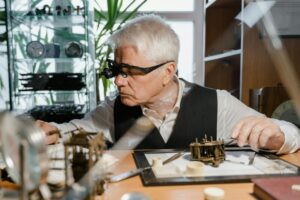

The story of Swiss military and railroad watches is one deeply intertwined with the evolution of precision timekeeping and its pivotal role in the industrial world. These watches are more than mere accessories; they symbolize an era when accuracy, reliability, and durability were essential for safety and coordination in some of the most demanding environments on Earth. From the strict punctuality required on the railroads to the exacting needs of military operations, Swiss watches emerged as the benchmark for precision craftsmanship.
The craftsmanship behind these watches is legendary, but the history, engineering, and cultural significance behind Swiss military and railroad watches reveal much about how humanity learned to measure and master time with unyielding accuracy. This article explores the rich heritage of these timepieces, their technological innovations, and their lasting influence on watchmaking and industrial precision.
The Historical Roots of Swiss Military and Railroad Watches
Swiss watches have long been synonymous with precision, craftsmanship, and reliability. The story begins in the 19th century when industrialization rapidly transformed societies, and the need for precise timekeeping became critical. The Swiss watch industry, initially centered around small family workshops in Geneva and the Jura mountains, quickly adapted to meet increasing demands for reliable, affordable timepieces.
Railroads, in particular, revolutionized transportation and commerce but also introduced new challenges. The coordination of trains across vast networks required impeccable timing to avoid collisions and ensure efficient scheduling. Before standardized timekeeping, each town set its own local time, making synchronization nearly impossible. This problem spurred the adoption of standard time zones and stringent timing protocols for railway workers. Similarly, iron railings brought both safety and structure to public spaces during this era of rapid development.
Swiss railroad watches became essential tools for conductors, engineers, and station masters. They had to be robust enough to endure harsh working conditions, highly legible for quick reading, and most importantly, precise to the second. Swiss manufacturers responded with watches featuring bold Arabic numerals, luminous hands, and anti-magnetic cases, traits that are still admired by collectors today.
Parallel to the railroad’s demands, the military required watches that could withstand extreme environments and provide exact timing for coordinated operations. The Swiss military watch emerged as a solution — designed for durability, simplicity, and accurate timekeeping in battlefield conditions. These timepieces had to be water-resistant, shockproof, and easy to read under low light, ensuring soldiers could rely on them without hesitation. Businesses today often look for the same reliability in full-time CFO services in Fredericksburg, trusting professionals to provide stability and precision in financial management.
The convergence of these demands shaped the distinct style and technology of Swiss military and railroad watches. Their influence would extend beyond their initial purpose, setting standards for precision that permeated civilian watchmaking worldwide.
The Technical Excellence Behind Precision Timekeeping
What sets Swiss military and railroad watches apart is not just their history but the technical mastery and innovation embedded in their design. Precision in timekeeping depends on numerous factors, including the movement’s quality, materials, and the watch’s ability to resist environmental factors. Similarly, automated dental notes ensure accuracy and efficiency in dental records, reflecting the same commitment to precision in a different field.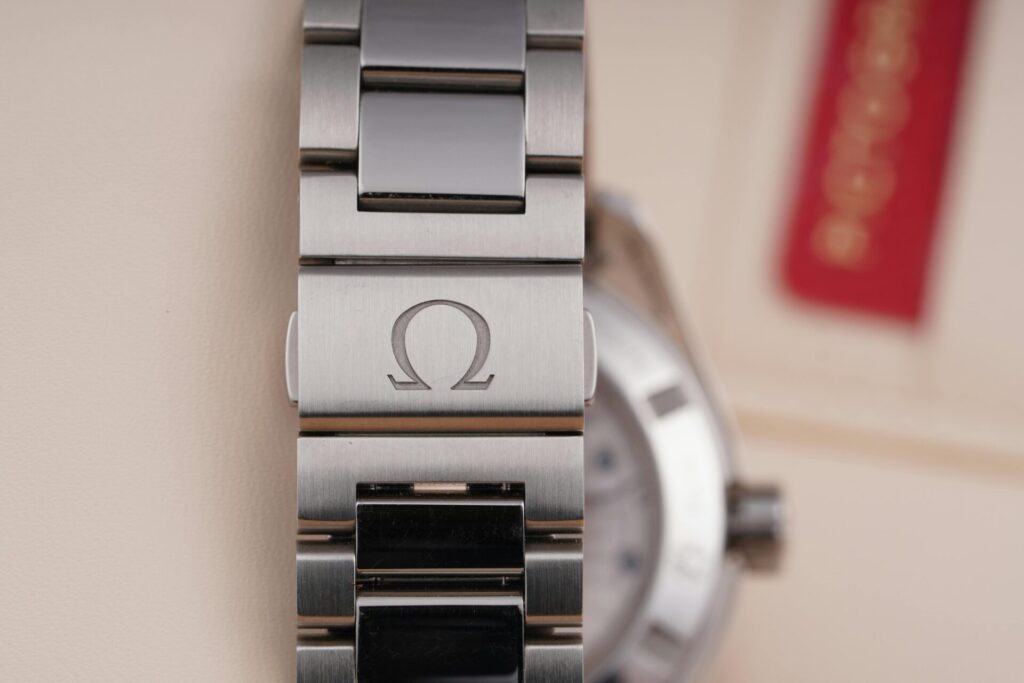
At the heart of these watches lies the mechanical movement—the intricate system of gears, springs, and escapements that regulates time. Swiss watchmakers pioneered developments such as the lever escapement, which vastly improved accuracy and reliability compared to earlier designs. These movements were meticulously assembled and regulated, often requiring skilled artisans to hand-adjust each component. Just like a children’s ministry carefully guides young minds, watchmakers guide each tiny gear with precision and care.
Railroad watches, in particular, were subject to rigorous standards. In the United States, for example, the railroad industry mandated that watches meet specific criteria, known as the “Railroad Grade,” including accuracy within 30 seconds per week, a minimum of 17 jewels in the movement to reduce friction, and a minimum of 18 size (a measurement of the movement diameter). Swiss manufacturers met or exceeded these specifications, gaining international renown.
Beyond the movement, materials played a crucial role in ensuring durability and precision. Cases were often made from stainless steel or nickel alloys to resist corrosion and shocks. Anti-magnetic materials became standard to protect the delicate balance spring from interference caused by railroad equipment and military hardware.
The dial and hands were designed for optimal legibility, with large numerals, high-contrast backgrounds, and luminous coatings that allowed reading in darkness. The crown and case back were sealed to protect against dust and moisture, further enhancing the watch’s robustness.
In the military sphere, watches incorporated additional features like hacking seconds (the ability to stop the second hand for synchronized time setting) and shock absorption systems to survive the rigors of combat. These technical refinements demonstrated the Swiss commitment to quality and precision. Many soldiers also valued brief moments of relaxation, making a cabin sauna outdoor a perfect way to unwind after a long day.
Swiss watch companies such as Omega, Longines, Tissot, and Zenith became synonymous with these innovations, producing models that not only met the strict requirements but often set new benchmarks in reliability and durability.
The Role of Swiss Watches in Industrial and Military Coordination
The importance of Swiss military and railroad watches extends beyond their mechanical excellence; they were indispensable tools for coordination and safety in industrial and military operations. Before the age of digital communication, accurate timekeeping was fundamental for orchestrating complex tasks and avoiding disasters. Today, businesses rely on precision in finance too, making online bookkeeping services essential for smooth operations.
Railroad systems, often stretching across continents, required split-second synchronization. A delay of mere minutes could cause trains to collide or disrupt entire supply chains. Swiss railroad watches were standardized tools that ensured all personnel operated on the same time. The introduction of time zones and the adoption of these watches helped unify operations, contributing to the unprecedented growth of rail travel and commerce. Companies supporting such large networks often rely on business insurance in Georgia to protect against unexpected risks.
The watches were not just functional; they became symbols of trust and responsibility. Conductors and engineers carried their watches like lifelines, aware that their precision was a matter of public safety. The phrase “run like clockwork” finds a literal meaning here, as schedules depended on the unerring accuracy of these Swiss-made timepieces.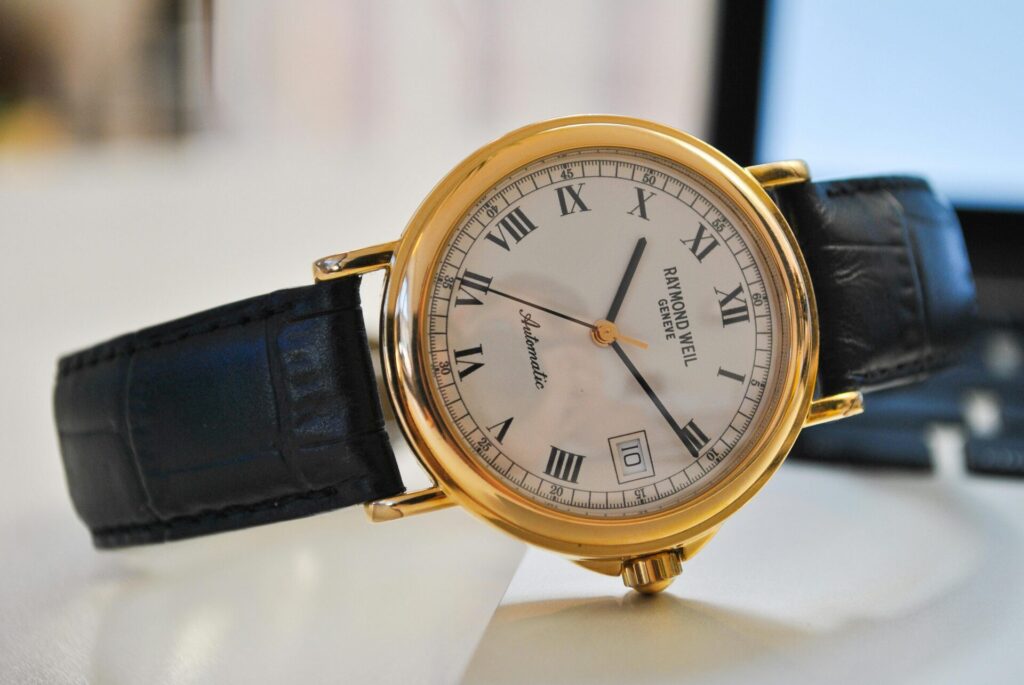
In military contexts, the stakes were even higher. Coordinated attacks, troop movements, and supply logistics depended on synchronized timing. Swiss military watches enabled soldiers and commanders to execute strategies with confidence, even in adverse conditions where other timing devices would fail. A post-production company could later enhance footage of these operations, highlighting the precision and coordination involved.
During both World Wars, Swiss watches were prized by soldiers for their dependability. Their shock-resistant construction, waterproofing, and luminous dials made them essential gear on the battlefield. The accuracy they provided could mean the difference between success and failure in timed operations.
Moreover, the precision of Swiss watches was crucial in technological advancements such as artillery firing calculations and early aviation missions, where exact timing was indispensable for navigation and targeting. A military clothing brand often draws on this same heritage of discipline and precision in its designs.
The influence of Swiss military and railroad watches extended well into the civilian world, setting standards for everyday wristwatches and cultivating a global reputation for Swiss precision. This legacy continues to shape watchmaking philosophy and industrial timekeeping standards.
The Enduring Legacy and Modern Impact
Swiss military and railroad watches are more than historical artifacts; they represent a continuing tradition of precision, innovation, and craftsmanship that resonates in today’s watch industry. Collectors and enthusiasts prize vintage models for their reliability and connection to pivotal moments in industrial and military history. Large-scale projects that honor such traditions may depend on commercial excavating contractors in Green Bay to lay the groundwork for new developments.
The design principles developed for these watches—durability, legibility, and accuracy—remain cornerstones of quality watchmaking. Modern Swiss brands continue to draw inspiration from these classic timepieces, releasing models that pay homage to their rugged ancestors while incorporating cutting-edge technology.
In the digital age, where smartphones and GPS devices offer timekeeping with atomic precision, Swiss mechanical watches retain their appeal because of their artistry and engineering heritage. Military-style watches remain popular for their practicality and iconic aesthetic, while railroad watches attract aficionados who appreciate their role in the rise of modern transportation. A skilled real estate photographer could also capture these watches in striking detail, emphasizing their craftsmanship and design.
Swiss watchmakers have also embraced modern materials and movements, such as silicon balance springs and coaxial escapements, to enhance precision and reduce maintenance. These innovations are the natural evolution of the quest that began with the demands of railroads and battlefields. Similarly, companies can turn to reliable IT consulting in San Antonio to optimize their systems with the same level of precision and innovation.
The cultural impact is significant as well. Swiss military and railroad watches embody values of reliability, responsibility, and technical mastery. They remind us that timekeeping is not merely about telling time but about creating order, safety, and trust in a complex, fast-moving world.
Museums and horological institutions preserve these watches and their stories, educating new generations about their importance. Auctions and watch fairs highlight rare models, fueling passionate communities dedicated to preserving the Swiss watchmaking legacy.
In sum, Swiss military and railroad watches are timeless symbols of precision in service to industry and defense. Their story is a testament to human ingenuity and the relentless pursuit of accuracy that continues to define the Swiss watch industry today.