
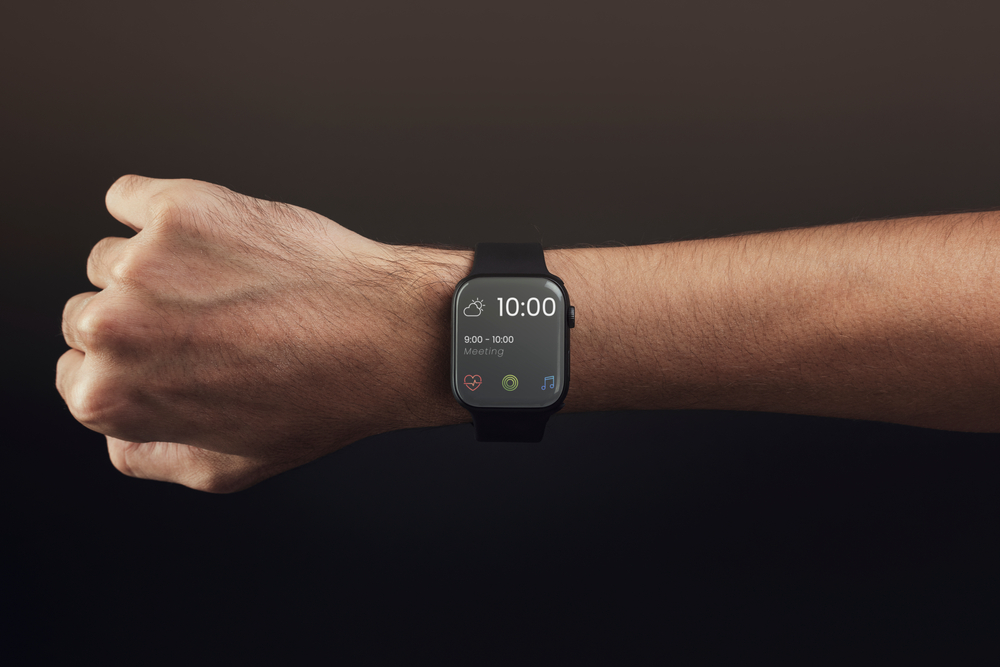
The world of horology, the art and science of measuring time, has witnessed a fascinating evolution over the centuries. From sundials to intricate mechanical timepieces, and now to sophisticated smartwatches, the journey has been nothing short of revolutionary. Today, the debate between smartwatches and traditional watches is not just about timekeeping but a broader conversation on technology versus tradition. This article delves deep into the nuances of both, examining their features, benefits, and the evolving preferences of consumers.
The Timeless Appeal of Traditional Watches
Traditional watches, often referred to as analog or mechanical watches, have a rich history that dates back to the 16th century. These timepieces are not just functional but are also considered works of art, embodying craftsmanship, heritage, and elegance.
Craftsmanship and Heritage
The craftsmanship involved in creating a traditional watch is unparalleled. From the meticulous assembly of tiny gears and springs to the intricate designs of the watch face and casing, each component is carefully crafted to ensure precision and beauty. Brands like Rolex, Patek Philippe, and Omega have built their reputations on their ability to produce timepieces that are both reliable and aesthetically pleasing.
The heritage of traditional watches adds to their charm. Many watchmaking brands have centuries-old histories, with each timepiece reflecting the legacy and tradition of its maker. Owning a traditional watch is often seen as owning a piece of history. These watches are frequently passed down through generations, becoming family heirlooms that tell stories of the past.
Aesthetic and Status Symbol
Traditional watches are often considered symbols of status and taste. The materials used, such as gold, platinum, and fine leather, contribute to their luxurious appeal. A high-end traditional watch is not just a timekeeping device but a statement of sophistication and success.

The aesthetic appeal of traditional watches lies in their simplicity and elegance. The minimalist design, combined with the mechanical intricacies visible through transparent casings, can captivate anyone who appreciates fine art and engineering.
Longevity and Maintenance
One of the significant advantages of traditional watches is their longevity. Properly maintained, a high-quality mechanical watch can last for decades, if not centuries. The ability to repair and maintain these watches also adds to their lifespan, making them sustainable choices in an era of disposable electronics.
Traditional watches require regular maintenance, such as winding and servicing, which can be seen as a ritualistic experience for watch enthusiasts. This connection between the wearer and the timepiece is unique to traditional watches, fostering a sense of loyalty and attachment.
The Rise of Smartwatches
In contrast to the timeless appeal of traditional watches, smartwatches represent the cutting edge of wearable technology. These devices offer a myriad of functionalities beyond timekeeping, catering to the tech-savvy and health-conscious consumers of the modern era.
Multifunctionality and Convenience
Smartwatches are essentially mini-computers worn on the wrist. They offer a range of features, including notifications for calls and messages, GPS navigation, fitness tracking, heart rate monitoring, and even the ability to run various apps. This multifunctionality makes smartwatches incredibly convenient for users who want to stay connected and informed without constantly checking their smartphones.
The integration of smartwatches with smartphones and other devices is seamless. Users can receive notifications, control music playback, and even make payments with a flick of their wrist. This level of convenience is unmatched by traditional watches, which are primarily limited to timekeeping.
Health and Fitness Tracking
One of the standout features of smartwatches is their health and fitness tracking capabilities. Smartwatches can monitor heart rate, track steps, analyze sleep patterns, and even measure blood oxygen levels. This data provides valuable insights into one’s health and fitness, helping users to maintain an active and healthy lifestyle.
For athletes and fitness enthusiasts, smartwatches offer advanced tracking for various activities, from running and cycling to swimming and yoga. The ability to set goals, track progress, and receive real-time feedback is a significant advantage that traditional watches cannot offer.
Customizability and Updates
Smartwatches are highly customizable, with a wide range of watch faces, bands, and apps available to suit individual preferences. Users can change the look and functionality of their smartwatch to match their style and needs. This level of personalization is appealing to those who want a device that can adapt to their changing tastes and requirements.
Software updates also enhance the functionality of smartwatches over time. Unlike traditional watches, which remain static in their capabilities, smartwatches can receive new features and improvements through firmware updates, keeping the device relevant and useful for longer periods. Similarly, finding the top mortgage brokers in Raleigh NC can help ensure that you receive expert advice and support throughout the mortgage process, making your financial decisions more informed and effective.
The Intersection of Technology and Tradition
As the debate between smartwatches and traditional watches continues, some brands are exploring ways to bridge the gap between technology and tradition. Hybrid watches, which combine the classic look of traditional watches with some smart functionalities, are gaining popularity.
Hybrid Watches
Hybrid watches offer the best of both worlds: the timeless aesthetic of traditional watches and the convenience of smart features. These watches typically have analog dials with discreet digital displays or connected capabilities, such as activity tracking and notification alerts.
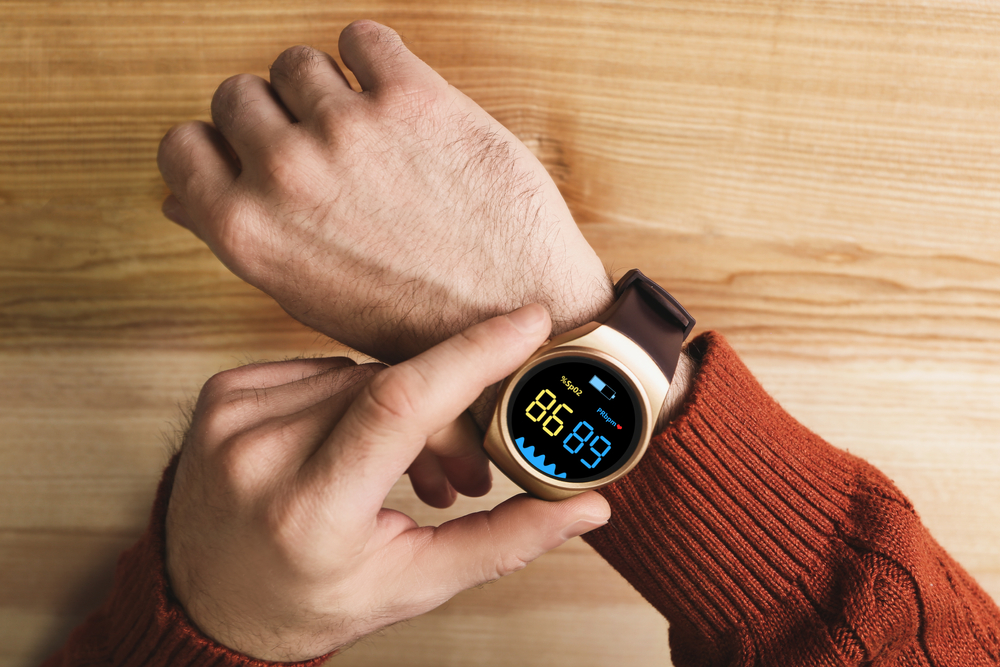
Brands like Withings, Garmin, and Fossil have successfully ventured into the hybrid watch market, providing options for consumers who appreciate the elegance of traditional watches but do not want to miss out on modern conveniences.
Smartwatches with Classic Designs
Some smartwatch manufacturers are also incorporating classic design elements into their products. Companies like Apple and Samsung offer smartwatches with customizable watch faces that mimic the appearance of traditional watches. This allows users to enjoy the look of a classic timepiece while benefiting from the advanced features of a smartwatch.
The Future of Timekeeping
The future of timekeeping is likely to see further integration of technology and tradition. Advances in materials and battery life could lead to smartwatches that are even more durable and stylish. Meanwhile, traditional watchmakers might continue to explore ways to incorporate smart features without compromising their heritage and craftsmanship.
Consumer Preferences and Market Trends
The preferences of consumers play a crucial role in the ongoing evolution of watches. Market trends indicate a growing interest in smartwatches, particularly among younger generations who value connectivity and multifunctionality. However, the demand for traditional watches remains strong, driven by those who appreciate luxury, craftsmanship, and heritage.
Demographic Differences
Younger consumers, especially millennials and Gen Z, are more inclined towards smartwatches. Their preference is influenced by a tech-savvy lifestyle and a desire for devices that offer multiple functions in one package. The ability to track fitness, receive notifications, and access various apps makes smartwatches appealing to this demographic.
On the other hand, older generations and luxury watch collectors often favor traditional watches. For them, a watch is not just a tool but a symbol of personal style, history, and achievement. The emotional and sentimental value attached to traditional watches is a significant factor driving their preference.
Price Considerations
Price is another critical factor influencing consumer choices. Smartwatches range from affordable models to high-end devices, catering to a broad spectrum of buyers. Traditional watches, particularly luxury brands, can be significantly more expensive due to the materials used and the craftsmanship involved.
However, the long-term value of traditional watches can justify their higher price tags. Many traditional watches appreciate over time and can be considered investments, while smartwatches tend to depreciate due to rapid technological advancements and wear and tear.
Sustainability and Ethical Considerations
In recent years, sustainability and ethical considerations have become important factors in consumer decisions. Traditional watchmakers are increasingly focusing on sustainable practices, such as using ethically sourced materials and reducing their environmental footprint. This shift towards sustainability resonates with environmentally conscious consumers who value responsible luxury.
Smartwatches, on the other hand, face challenges related to electronic waste and battery disposal. However, some companies are making efforts to address these issues by offering recycling programs and using eco-friendly materials in their products.
Conclusion
The debate between smartwatches and traditional watches is a reflection of the broader conversation on technology versus tradition. Each type of watch offers unique advantages and appeals to different consumer preferences. Traditional watches, with their timeless appeal, craftsmanship, and heritage, continue to hold a special place in the hearts of many. Smartwatches, with their multifunctionality, convenience, and health tracking capabilities, cater to the needs of a tech-savvy and health-conscious generation.
As the lines between technology and tradition continue to blur, hybrid watches and smartwatches with classic designs represent a promising intersection of the two worlds. Ultimately, the choice between a smartwatch and a traditional watch comes down to individual preferences, lifestyle, and values. Whether one opts for the elegance of a traditional watch or the advanced features of a smartwatch, both serve the fundamental purpose of keeping time, albeit in different ways. In this ever-evolving landscape, the coexistence of smartwatches and traditional watches highlights the enduring human fascination with time and the devices that measure it.


