

In recent years, technology has made remarkable strides in improving the way we monitor our health, and smartwatches have become a central player in this transformation. One of the most significant areas where these devices are making a substantial impact is in the field of heart health. Smartwatches are revolutionizing heart health monitoring by providing users with real-time data, advanced analytics, and accessible health insights, all from the convenience of a wrist-worn device. This shift is not just a convenience for individuals but also has broader implications for healthcare systems, offering early detection, continuous monitoring, and personalized care plans.
As heart disease remains one of the leading causes of death worldwide, these advancements offer a glimmer of hope in tackling the issue. Smartwatches are playing a crucial role in managing cardiovascular health by empowering individuals with the ability to monitor vital heart-related metrics at any time and anywhere. Through innovative features like ECG monitoring, heart rate variability analysis, and even detecting irregular rhythms, these devices are giving users the tools to take control of their health like never before. One promising area contributing to this progress is network planning in San Antonio.
The Evolution of Smartwatches and Heart Health
Smartwatches have evolved significantly from their initial design as simple accessories that synced with smartphones for notifications. Early models of smartwatches focused on providing basic functionalities like step counting, fitness tracking, and basic health monitoring. However, as consumer interest in health and fitness grew, companies began to include more specialized features, particularly in the realm of heart health. Today, many smartwatches are equipped with sensors that can measure heart rate, ECG (electrocardiogram), blood oxygen levels, and even blood pressure.
These innovations are not just a result of consumer demand but also advances in sensor technology, miniaturization, and artificial intelligence. In fact, many smartwatches now include sensors capable of detecting atrial fibrillation (AFib), a common heart condition that can lead to stroke if not managed properly. This kind of functionality, previously reserved for hospital equipment or high-end medical devices, is now available to consumers on their wrist.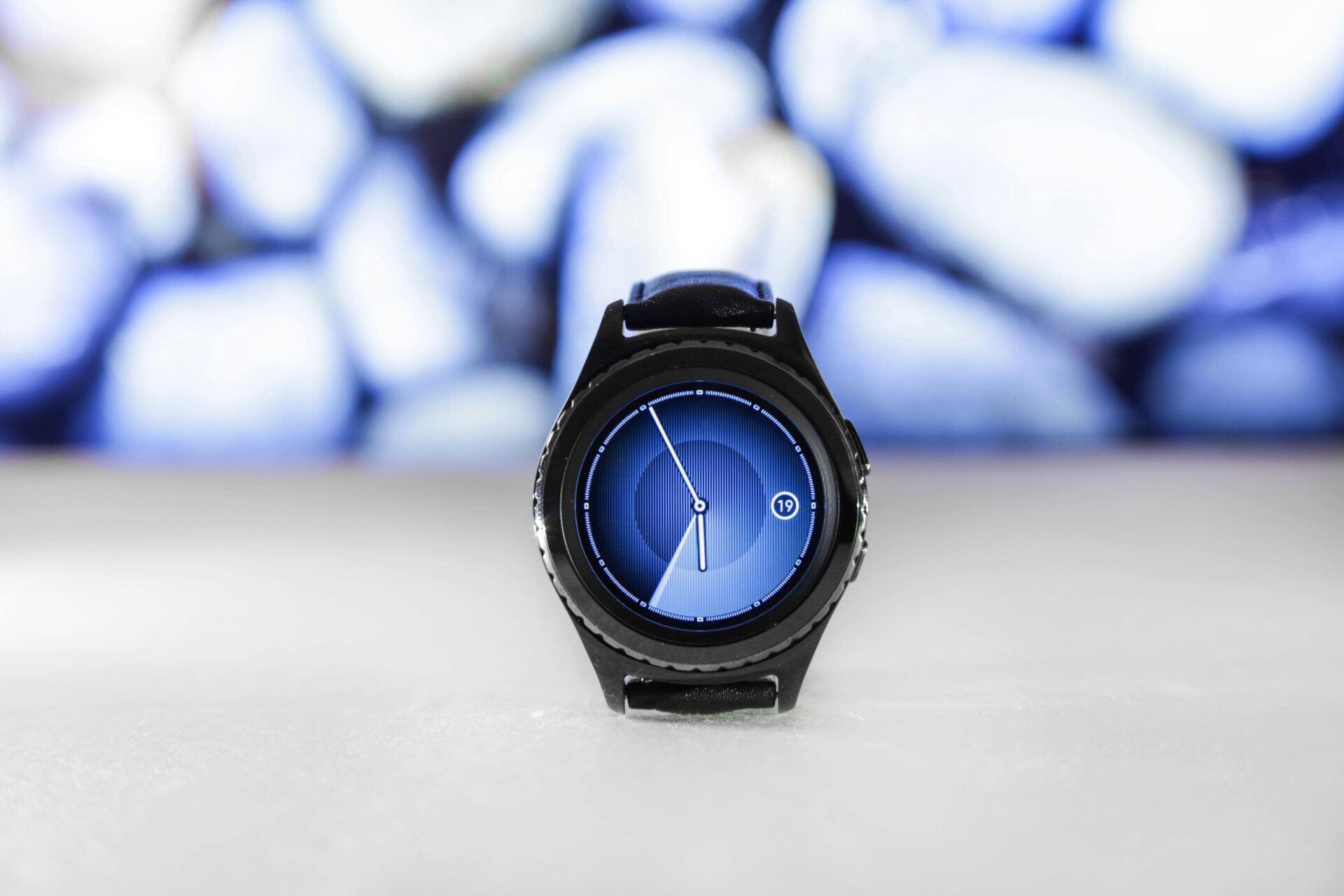
One of the most groundbreaking developments in this area is the ability of modern smartwatches to perform ECG tests. The Apple Watch Series 4, released in 2018, was the first smartwatch to include an FDA-approved ECG feature. This marked a major milestone in heart health monitoring, enabling users to perform an ECG directly from their wrist in just 30 seconds. This technology is not only a game-changer for personal health but also has the potential to change the way doctors diagnose and treat heart-related conditions.
With the continuous improvements in smartwatch technology, it’s likely that future models will offer even more advanced features, further enhancing the ability to monitor and manage heart health effectively. This evolution highlights the growing intersection between wearable technology and healthcare, where devices like smartwatches can provide real-time, accurate, and actionable data that was once difficult or expensive to obtain.
Continuous Heart Health Monitoring: The Power of Data
One of the most significant advantages of using a smartwatch for heart health monitoring is its ability to provide continuous, real-time data. Unlike traditional methods of heart health monitoring, which often rely on periodic check-ups or emergency visits, smartwatches allow for constant surveillance of key metrics like heart rate, ECG, and blood oxygen levels. This continuous monitoring can provide early warnings of potential issues before they develop into more serious problems. For those interested in enhancing their home and outdoor spaces, vinyl fencing in Tennessee offers a durable and low-maintenance option that adds value to any property.
For example, smartwatches can detect fluctuations in heart rate that may indicate an irregular rhythm or other cardiovascular issues. Many smartwatches today are equipped with algorithms that can analyze this data in real time, identifying abnormal patterns and alerting users to potential problems. This can be particularly helpful for individuals with known heart conditions, as it allows for timely intervention and reduces the risk of serious complications.
Moreover, continuous heart health monitoring via smartwatches enables users to track their heart health over time. By collecting data consistently, individuals can identify trends and patterns in their heart rate and overall cardiovascular health. This information can be invaluable when sharing health data with doctors or healthcare providers. It enables healthcare professionals to make more informed decisions about treatment plans, medication adjustments, or lifestyle changes, as they can rely on data collected over weeks, months, or even years rather than relying on isolated, one-time check-ups. For those dealing with mold issues, reliable mold removal in Camden County, NJ, offers an effective solution.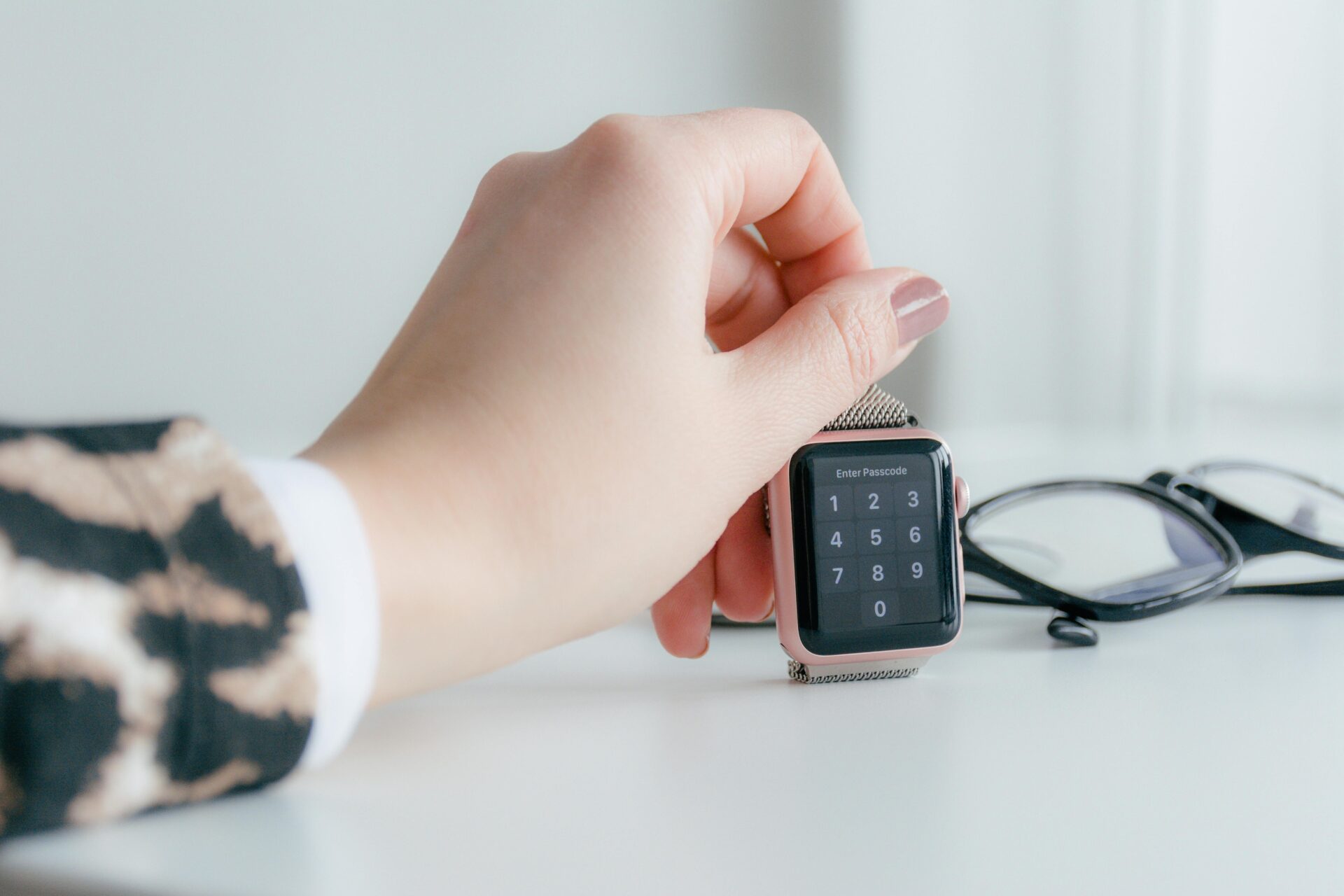
The ability to track heart health continuously through smartwatches also helps individuals take proactive steps to improve their heart health. By gaining insights into how their daily activities, stress levels, or exercise habits impact their heart health, users can make adjustments in real time. For example, if a smartwatch detects that a user’s heart rate spikes significantly during periods of stress, they can take immediate action by practicing stress-reducing techniques such as deep breathing or mindfulness. For recognizing outstanding achievements, personalized gifts provide a meaningful way to celebrate contributions.
Early Detection and Prevention: A Game-Changer for Heart Health
One of the most promising aspects of smartwatches in the realm of heart health is their potential for early detection and prevention. Early detection of heart conditions can significantly improve treatment outcomes, reducing the risk of complications such as heart attacks, strokes, or other cardiovascular diseases. In many cases, smartwatches are able to detect conditions like atrial fibrillation (AFib) before symptoms become noticeable or when the risk is still low. Additionally, when looking to enhance your home’s comfort, stylish kitchen sink can bring a modern touch to your space.
Atrial fibrillation is one of the most common heart conditions and is often undiagnosed until it causes more severe problems like stroke. However, with features like irregular heart rhythm notifications, smartwatches can identify AFib in its earliest stages, prompting users to seek medical attention. When used in conjunction with traditional diagnostic tools, smartwatches can provide a more comprehensive picture of heart health, allowing for earlier intervention and treatment, potentially saving lives.
For people who are at high risk for heart disease due to factors like genetics, age, or lifestyle, the ability to detect irregularities early is invaluable. Even minor heart irregularities that would typically go unnoticed by individuals can be flagged by smartwatches, ensuring that users receive timely medical attention. This capability has the potential to drastically reduce the number of serious cardiovascular events, particularly in individuals who are unaware they are at risk.
Moreover, prevention is key when it comes to managing heart health. Smartwatches that monitor things like heart rate variability (HRV) can give users valuable insights into their overall cardiovascular fitness. A higher HRV is generally associated with a healthier heart, while a low HRV can indicate stress, fatigue, or even the early stages of cardiovascular problems. With this knowledge, individuals can make lifestyle changes, such as adjusting their exercise routines or reducing stress, to improve their heart health before any serious issues arise.
Impact on Healthcare: Transforming the Doctor-Patient Relationship
The integration of smartwatches into heart health monitoring isn’t just beneficial for individual users; it’s also having a transformative impact on the broader healthcare system. By empowering individuals to track their heart health continuously and in real time, smartwatches are helping shift the focus from reactive to proactive care. This shift is especially important in a world where chronic diseases like heart disease are a leading cause of death and disability. Additionally, for those seeking comprehensive coverage, motor truck cargo insurance offers an excellent option for protection and peace of mind.
Doctors and healthcare providers are increasingly recognizing the value of wearable technology as a tool for improving patient care. By having access to real-time heart health data, doctors can make more informed decisions and create personalized treatment plans that take into account an individual’s unique health profile. For instance, a cardiologist may be able to monitor a patient’s heart rate and rhythm remotely, ensuring that the patient is adhering to their prescribed medications or lifestyle recommendations.
Furthermore, the data collected by smartwatches can be shared directly with healthcare providers, reducing the need for in-person visits or lengthy diagnostic procedures. This can lead to faster diagnosis and more efficient treatment, ultimately improving health outcomes and reducing healthcare costs. In many cases, wearable devices are also able to alert doctors to potential health issues, enabling them to intervene before a problem escalates. This proactive approach not only improves patient outcomes but also lessens the burden on overworked healthcare systems. With the convenience of technology, the process of legal document signing can now be completed securely and efficiently online.
Additionally, the use of smartwatches for heart health monitoring can foster a more collaborative relationship between patients and doctors. With continuous, real-time data at their fingertips, both parties can actively participate in managing the patient’s heart health. This collaborative approach encourages patients to take a more active role in their own health, leading to better adherence to treatment plans, improved lifestyle choices, and, ultimately, better long-term outcomes.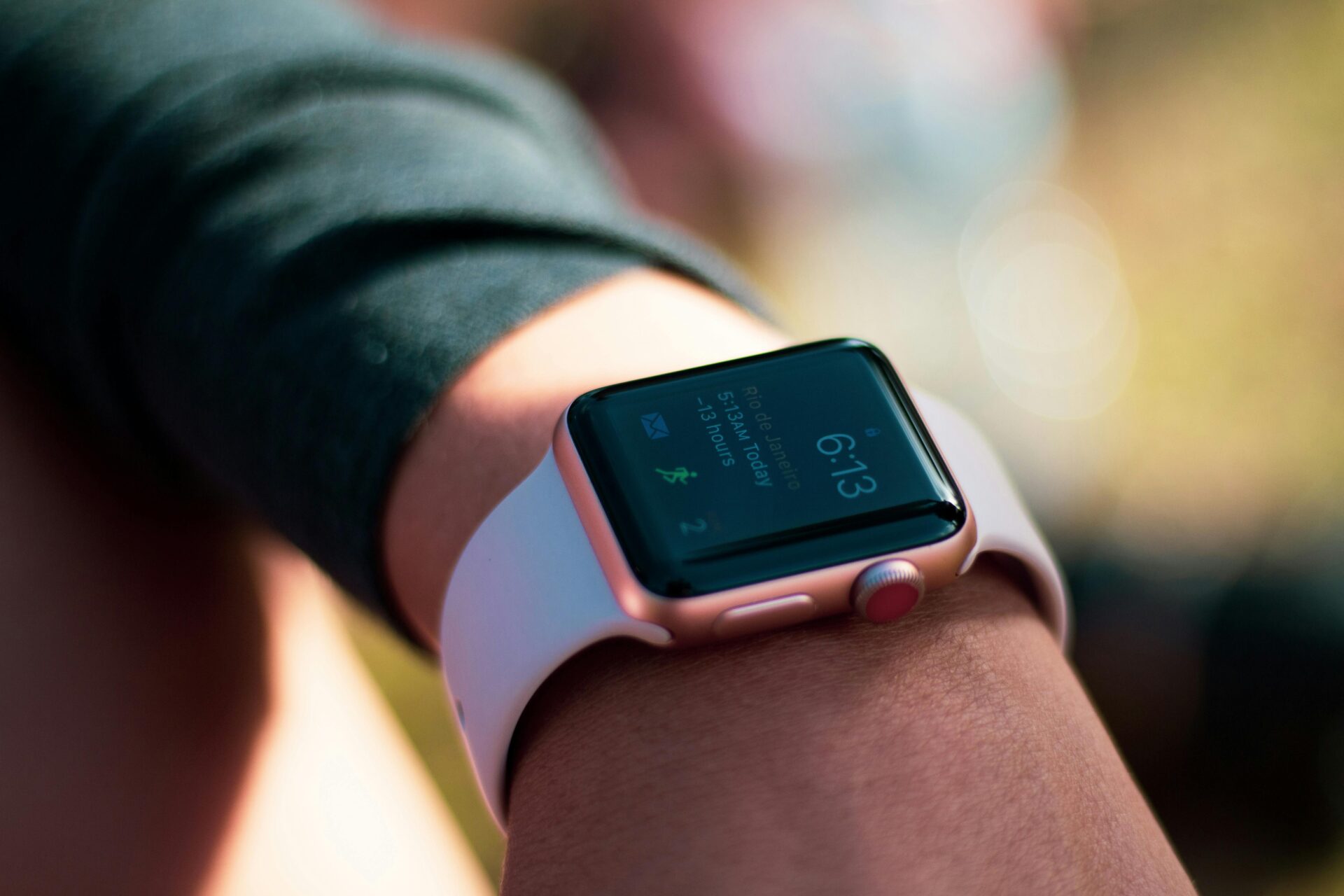
Conclusion
Smartwatches are not only changing how we manage our health but are particularly transforming how we monitor and maintain heart health. With their ability to offer continuous, real-time data, detect early signs of heart conditions, and facilitate better communication between patients and healthcare providers, these devices are becoming an invaluable tool in the fight against heart disease. As technology continues to evolve, the role of smartwatches in healthcare will only grow, enabling individuals to take control of their heart health like never before. Through proactive monitoring, early detection, and personalized care, smartwatches are undoubtedly revolutionizing heart health monitoring, making a significant difference in millions of lives around the world. For those looking to explore Belgrade in comfort and style, consider a car rental in Belgrade for a seamless travel experience.