
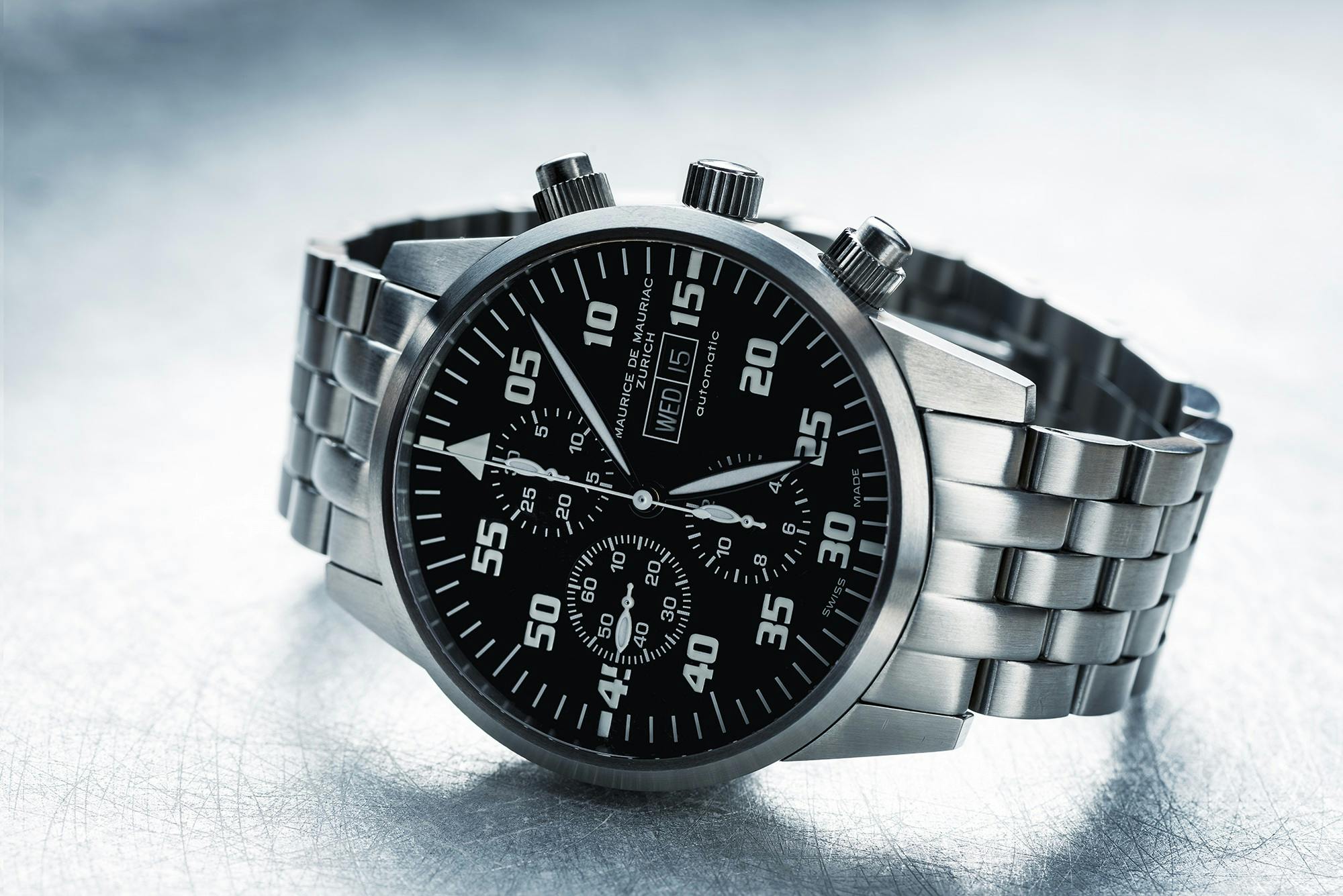
In the world of horology, materials are never just materials. They are statements of intent, reflections of philosophy, and promises made by a watchmaker to the person who will wear the watch for years—or generations. Terms like “durable” and “enduring” are often used interchangeably in marketing and casual discussion, but they do not mean the same thing. Understanding the difference between durable and enduring watch materials is essential for anyone who wants to make an informed decision about what kind of watch truly fits their lifestyle, values, and long-term expectations.
A watch designed to survive harsh conditions for a decade is not necessarily a watch designed to age beautifully over half a century. Likewise, a watch that develops character and emotional value over time may not be the toughest option for extreme environments. The distinction lies not just in physical properties like hardness or corrosion resistance, but in how materials behave as time passes, how they respond to wear, and how humans emotionally relate to them.
What Durability Really Means in Watch Materials
Durability, in its simplest sense, refers to a material’s ability to resist damage. A durable watch material is one that can withstand impacts, scratches, pressure, moisture, and environmental stress without failing. In modern watchmaking, durability is often associated with technical performance and measurable resistance rather than long-term emotional or aesthetic outcomes.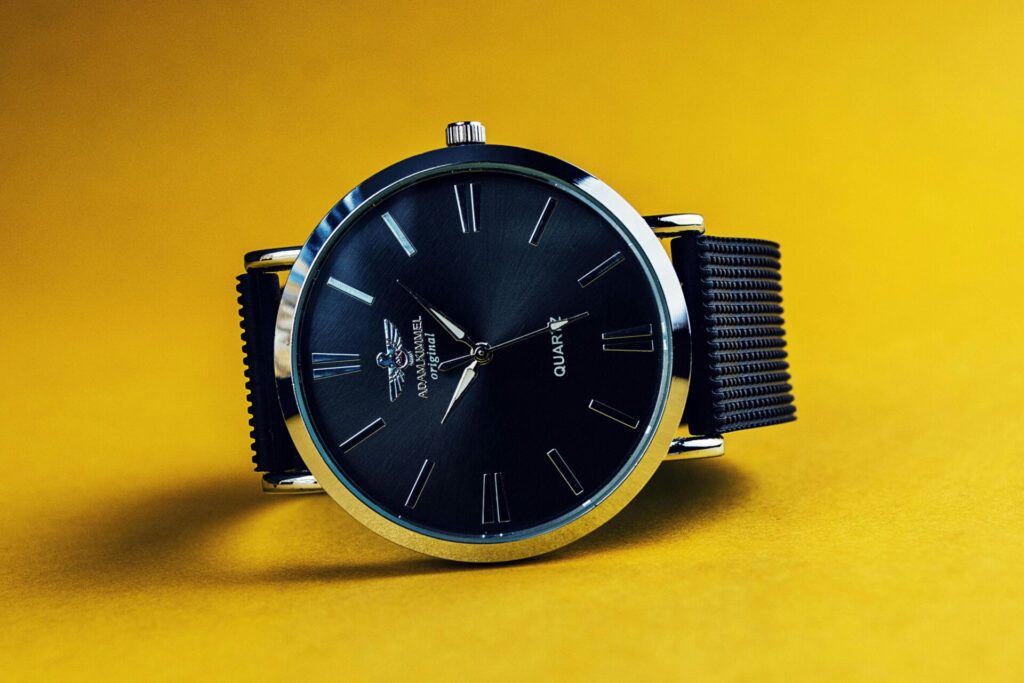
Materials like stainless steel, titanium, ceramic, and modern composites are prized for their durability. Stainless steel, for example, resists corrosion, tolerates shocks well, and can be easily refinished if scratched. Titanium offers an even better strength-to-weight ratio and exceptional resistance to saltwater and sweat, making it a favorite for tool watches and sports models. Ceramic takes durability in another direction, offering extreme scratch resistance that keeps a watch looking new even after years of daily wear.
Durability is closely tied to function. Dive watches, pilot watches, and military-inspired watches prioritize materials that can handle abuse. In these contexts, a durable material is expected to perform consistently under stress, often with minimal maintenance. The goal is reliability and survivability, not necessarily beauty or sentiment.This emphasis on rugged dependability mirrors the philosophy behind warm veteran clothing, where materials and construction are chosen to withstand harsh conditions and perform reliably, not to impress but to endure.
However, durability often comes with trade-offs. Extremely hard materials like ceramic resist scratches but can shatter under severe impact. Some advanced composites may age poorly in terms of appearance, developing discoloration or surface degradation that cannot be easily repaired. A highly durable material may also feel cold, sterile, or emotionally distant to some wearers.
Another key aspect of durability is replaceability. Durable materials are often chosen because they can be mass-produced, standardized, and swapped out when damaged. This aligns with modern consumer expectations of efficiency and convenience. If a ceramic bezel cracks or a steel bracelet is badly scratched, the solution is often replacement rather than restoration.
The Meaning of Endurance in Horological Materials
Endurance, in contrast, is about longevity in a deeper sense. An enduring watch material is one that not only lasts physically, but continues to hold aesthetic, emotional, and cultural value as time passes. Endurance is less about resisting change and more about aging in a way that feels purposeful and meaningful.
Materials like bronze, gold, silver, and certain leathers exemplify endurance. Bronze develops patina as it oxidizes, darkening and changing color based on environment and wear habits. This transformation is not a flaw; it is the point. Each mark and tonal shift becomes a record of the wearer’s life. Gold, while softer and more prone to scratches, has been used in watches for centuries because it does not corrode and because its marks can be polished out or cherished as signs of use.
Enduring materials invite interaction over time. They may require care, servicing, and occasional restoration, but this maintenance strengthens the bond between watch and owner. Endurance values continuity over perfection, accepting that wear is inevitable and even desirable.
Cultural endurance also matters. Materials that have been used for generations carry symbolic weight. When someone wears a gold or steel watch, they are participating in a lineage that stretches back through decades of watchmaking history. This sense of continuity contributes to why certain watches become heirlooms rather than disposable accessories.
Endurance also includes repairability. An enduring material can often be refinished, reshaped, or restored without losing its essence. Scratches on a gold case can be polished. Acrylic crystals can be buffed back to clarity. Leather straps can be replaced while the watch head remains the same. Enduring materials support the idea that a watch is never truly finished, only evolving.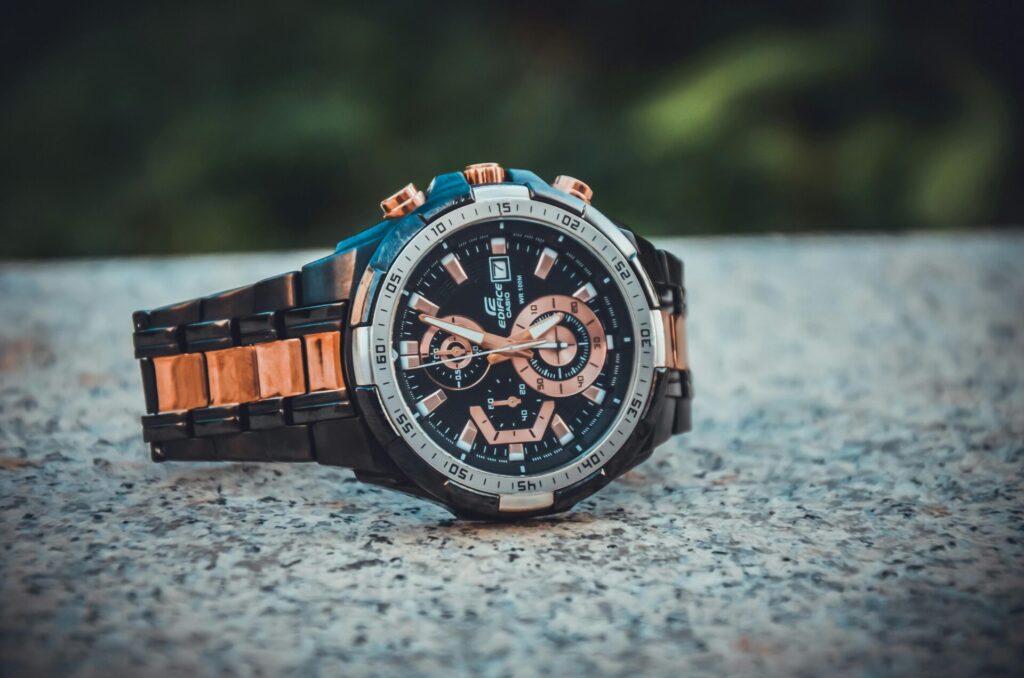
How Modern Materials Blur the Line Between Durable and Enduring
In contemporary watchmaking, the line between durability and endurance is increasingly complex. Advances in material science have allowed watchmakers to create substances that are both highly resistant and capable of long-term relevance. Modern materials often attempt to balance technical durability with a sense of permanence and identity.
High-tech ceramics, for instance, are extremely scratch-resistant and color-stable. A ceramic watch may look nearly identical after ten years of wear, which is a triumph of durability. Yet this very resistance to change can limit emotional attachment for some wearers. If a watch never visibly ages, it never tells a story. For others, this stability is precisely the appeal, representing consistency and precision.
Carbon composites and proprietary alloys push this balance further. These materials are light, strong, and visually distinctive, often associated with innovation and performance. They are durable in the extreme, but their endurance depends on cultural acceptance. If a material becomes visually dated or technologically obsolete, its long-term appeal may fade even if it remains physically intact.
Stainless steel occupies a unique middle ground. It is durable enough for daily wear and enduring enough to have remained relevant for over a century. Steel scratches, but those scratches can be polished. Steel does not patina dramatically, but it develops subtle signs of age that many collectors appreciate. Its endurance lies in its adaptability, both physically and stylistically.
Sapphire crystal is another example of this duality. It is incredibly durable, resisting scratches far better than older acrylic crystals. At the same time, it has become an enduring standard because it supports the longevity of the watch without fundamentally altering its character. Unlike certain coatings or treatments, sapphire integrates seamlessly into the traditional watch form.
Emotional Value, Aging, and the Human Relationship with Materials
One of the most overlooked differences between durable and enduring watch materials lies in human psychology. People form emotional attachments to objects that reflect their own passage through time, and materials play a central role in that process.
A watch that remains visually unchanged for decades may be impressive, but it can feel static. In contrast, a watch that shows subtle signs of wear often feels alive. Small scratches, softened edges, and gentle patina serve as reminders of experiences shared between the wearer and the watch. Enduring materials allow this dialogue to happen.
This is why vintage watches remain so compelling. Many of them would fail modern durability tests, yet they continue to function and captivate. Their materials were not chosen for maximum resistance, but for balance, repairability, and beauty. Their endurance is proven not by specifications, but by survival across generations.
Durable materials often prioritize the present moment: the hike, the dive, the flight. Enduring materials connect past, present, and future. A bronze case that darkens, a leather strap that softens, or a gold watch that gains character over decades becomes part of a personal narrative.
There is also a philosophical dimension. Choosing an enduring material can be a rejection of disposability. It signals a preference for objects that improve with care rather than degrade into obsolescence. In this sense, endurance aligns with sustainability and mindfulness, even if the material itself is less technically robust.
Choosing Between Durable and Enduring Materials in Practice
When selecting a watch, the question is not which material is better, but which philosophy aligns with your life. Durable and enduring materials serve different purposes, and neither is inherently superior.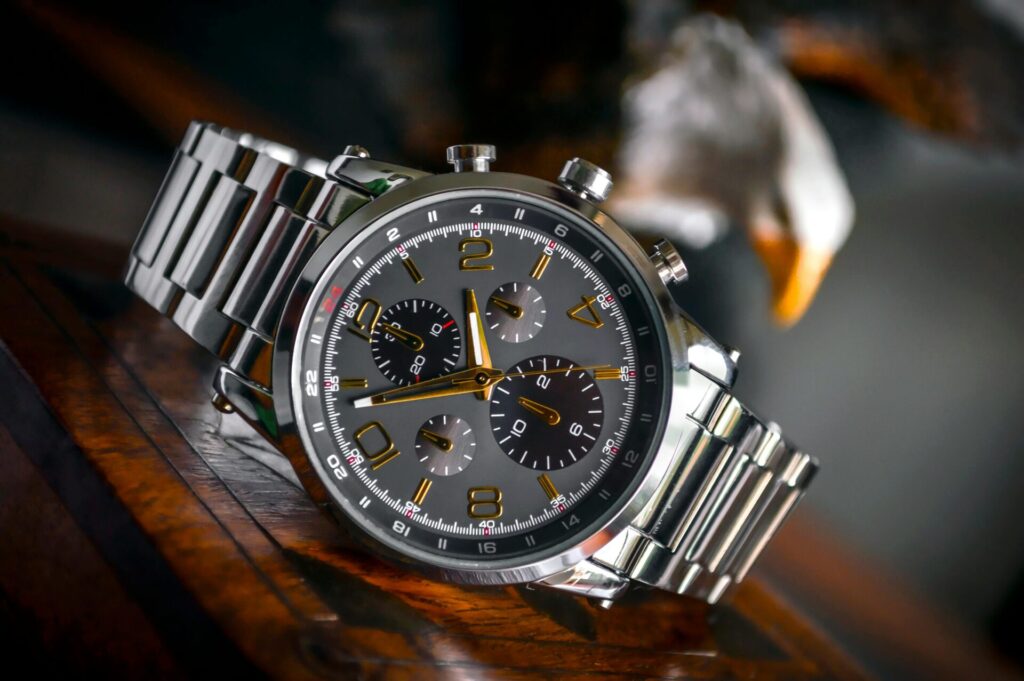
If your lifestyle involves physical activity, exposure to harsh environments, or minimal maintenance, durability may matter more. A watch made from titanium, ceramic, or advanced composites can provide peace of mind and consistent performance. These materials excel when a watch is expected to function as equipment.
If, however, you see a watch as a long-term companion, something to wear daily and eventually pass on, endurance may take precedence. Materials that age gracefully, can be restored, and carry historical resonance may offer deeper satisfaction. The occasional scratch or patina becomes a feature rather than a flaw.
Many people ultimately choose a balance. A steel watch with a sapphire crystal, for example, offers durability without sacrificing endurance. A bronze watch may be paired with modern water resistance. The best watch is often the one that harmonizes material properties with personal values.
Understanding the difference between durable and enduring materials empowers buyers to look beyond marketing terms and technical specs. It encourages a more thoughtful relationship with watches, one rooted in intention rather than impulse.
In the end, durability determines how well a watch resists time, while endurance determines how meaningfully it lives with time. Recognizing that distinction transforms a watch from a mere object into a lasting part of one’s story.

