
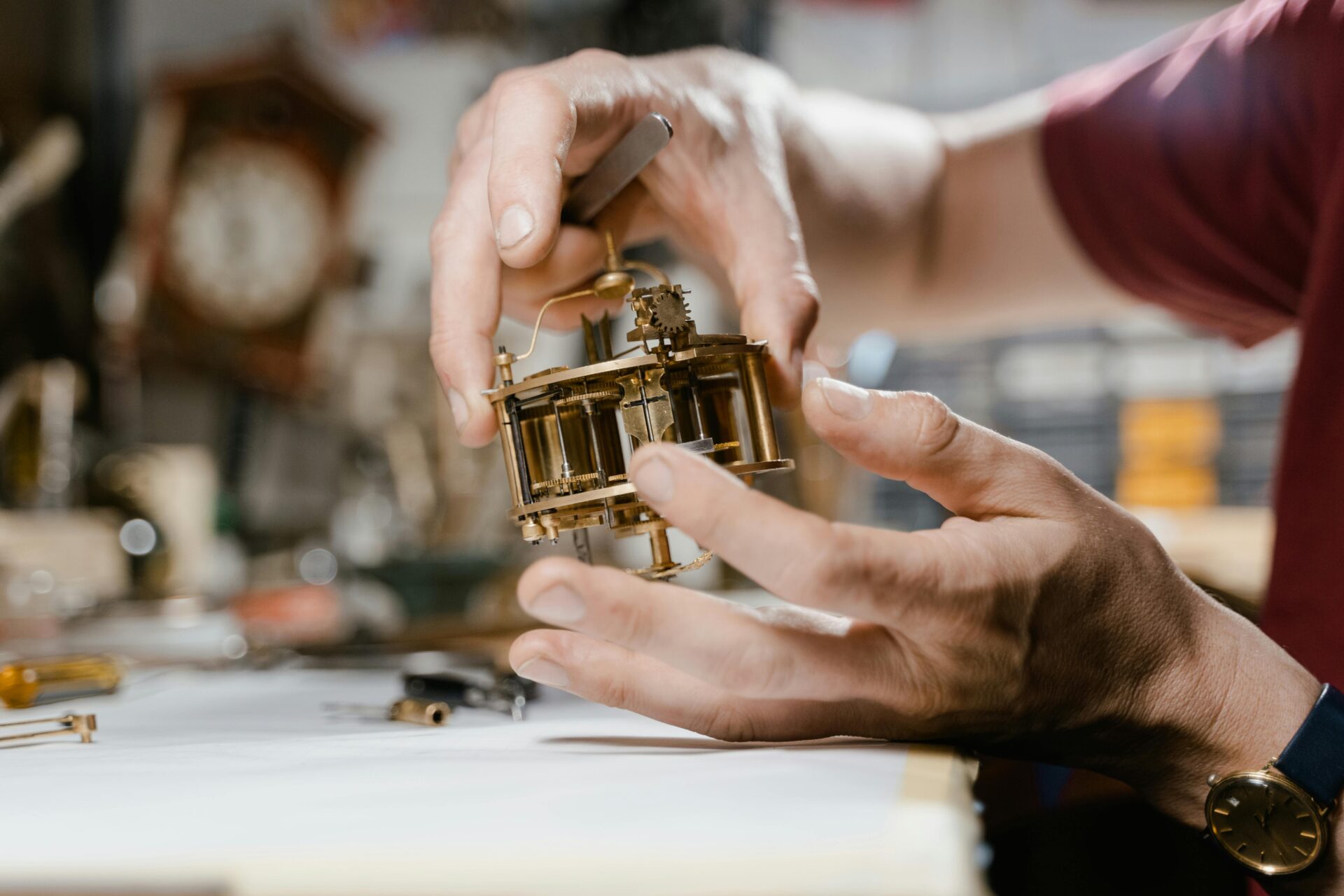
Fine watch repair is far more than just replacing batteries or polishing cases—it is a discipline that demands extraordinary precision and attention to detail. Every component in a mechanical watch, from the smallest screw to the tiniest gear, is meticulously designed to work in perfect harmony. A single misaligned cog or a slight miscalculation can cause the entire movement to fail. This is why watchmakers are often trained for years to develop an almost obsessive attention to micro-level details that most people would never notice.
A key aspect of this attention to detail is the ability to read the watch as a complex system rather than as individual components. The repair process often begins with diagnosing the problem through careful observation and testing. A seasoned watchmaker can identify issues that are invisible to the untrained eye, such as subtle inconsistencies in gear rotation or the uneven tension of a mainspring. This requires not just technical skill but also an intuitive understanding of mechanics, honed through extensive practice and repeated exposure to countless watch movements.Much like concrete contractors weatherford tx must understand how every layer and measurement affects the strength of the finished structure, expert watchmakers view each component as part of an interconnected system where precision at every level determines long-term performance.
Another critical factor is manual dexterity. Watchmakers work with components so small that even a minor slip could destroy them. Handling these parts requires steady hands, excellent hand-eye coordination, and an almost meditative patience. Many watchmakers spend years developing this fine motor control, often using specialized tools like tweezers, magnifying glasses, and micro screwdrivers. The level of skill required is akin to that of a surgeon or a jeweler, and it underlines just how much craftsmanship is embedded in the art of watch repair.
Additionally, focus and patience are indispensable. Repairing a mechanical watch may involve hours of repetitive, painstaking adjustments. A single mechanical watch can have hundreds of parts, each demanding careful consideration. For instance, regulating the balance wheel, which controls the watch’s accuracy, requires the watchmaker to make minute adjustments and observe the movement for hours to ensure it keeps perfect time. The process tests not only skill but endurance, as one misstep can mean starting over or even damaging the watch permanently.In many ways, this level of discipline mirrors career training, where sustained focus, repetition, and patience are essential to mastering complex skills that only reveal their payoff through long-term dedication.
Deep Knowledge of Horology
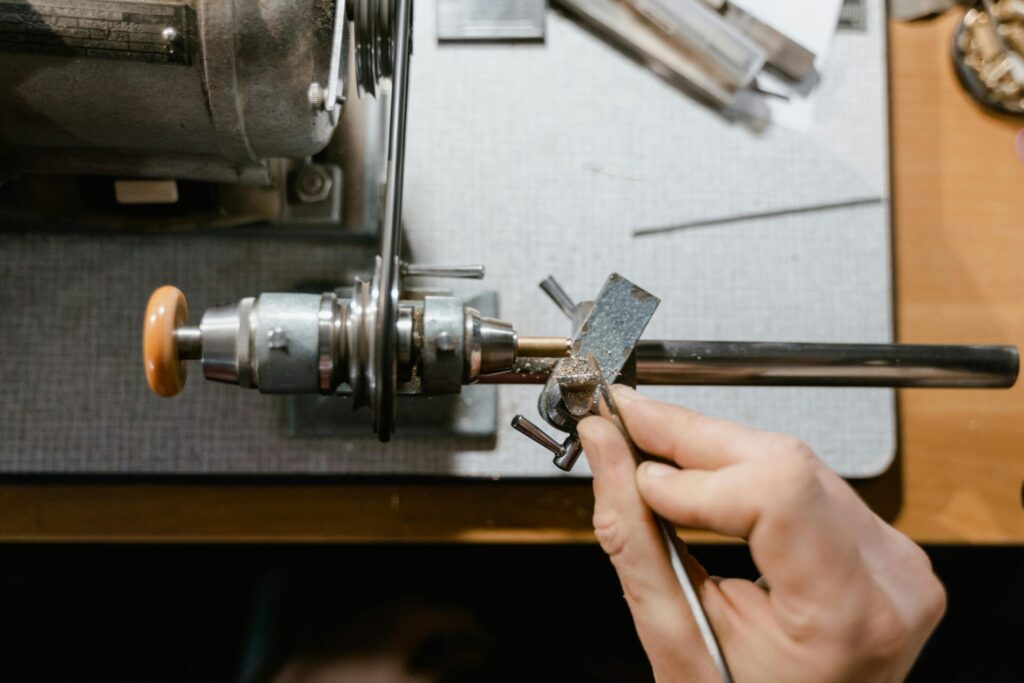
A profound understanding of horology—the study of timekeeping and watches—is another hidden skill that separates master watchmakers from amateurs. Horology is a highly specialized field that encompasses the history, mechanics, and design of timepieces, and mastering it is essential for anyone aiming to repair watches at a professional level. Without this foundation, even the most meticulous hands cannot properly diagnose or fix complex issues.
One critical area of knowledge is the evolution of watch movements. Mechanical watches have evolved over centuries, and each era brought unique innovations, complications, and design standards. A competent watchmaker must recognize these differences, knowing how to disassemble, clean, and reassemble movements ranging from antique pocket watches to modern Swiss chronographs. For instance, understanding the difference between a lever escapement and a cylinder escapement is vital, as each requires different repair techniques and tools. This historical and technical awareness allows the watchmaker to tailor repair methods to the specific construction of each watch, rather than applying generic solutions that might damage delicate components.Much like a realtor brampton must understand the history, structure, and nuances of different neighborhoods to offer the right guidance, a skilled watchmaker relies on deep historical and technical knowledge to apply the correct repair approach for each unique movement.
Equally important is the understanding of materials science. Watch components are crafted from a variety of metals, alloys, and sometimes even ceramics or synthetic rubies. Each material reacts differently to wear, friction, and lubrication, and a successful repair requires knowledge of how to treat each element appropriately. For example, over-oiling a movement can attract dust and grit, while under-oiling can increase friction and wear. A watchmaker must understand these nuances to ensure longevity and precision.
Another dimension of horological expertise is familiarity with complications—features beyond simple timekeeping, such as calendars, moon phases, chronographs, and minute repeaters. Each complication adds layers of mechanical complexity. Repairing these features demands not only technical skill but also a deep conceptual understanding of how these mechanisms interact within the larger movement. Misalignment of one tiny component can disrupt the entire complication, so the watchmaker must anticipate how every piece affects the system as a whole.
Problem-Solving and Analytical Thinking
Watch repair is not just about mechanical skill; it is also a mental exercise in problem-solving and analytical thinking. Every repair presents a puzzle, and no two problems are ever exactly alike. Even watches of the same model may have developed unique wear patterns or hidden defects over time. A master watchmaker must approach each repair like a detective, piecing together subtle clues to understand the underlying problem before taking any action.
Analytical thinking begins with diagnosis. This involves observing the watch’s behavior, listening to its ticking, and sometimes using instruments like timing machines to assess accuracy. A skilled watchmaker can detect issues that are imperceptible to a casual observer, such as uneven amplitude, erratic beat, or friction in the gear train. The process requires a combination of technical knowledge, pattern recognition, and logical reasoning. For example, a watch that loses time intermittently may have a balance staff slightly bent or a pallet fork misaligned—issues that are not immediately visible but can be inferred through careful analysis.
Problem-solving extends to creative solutions as well. Not all watch repairs are straightforward, particularly when dealing with rare or antique timepieces for which replacement parts may no longer exist. In these cases, the watchmaker must innovate, sometimes fabricating new components or adapting parts from similar models. This requires a blend of mechanical ingenuity and craftsmanship. A single mistake could irreversibly damage a priceless watch, so each decision must be carefully considered and executed with precision.Much like dental implants staten island require custom solutions tailored to each patient’s structure, repairing rare watches often demands inventive, one-of-a-kind craftsmanship when standard parts are no longer available.
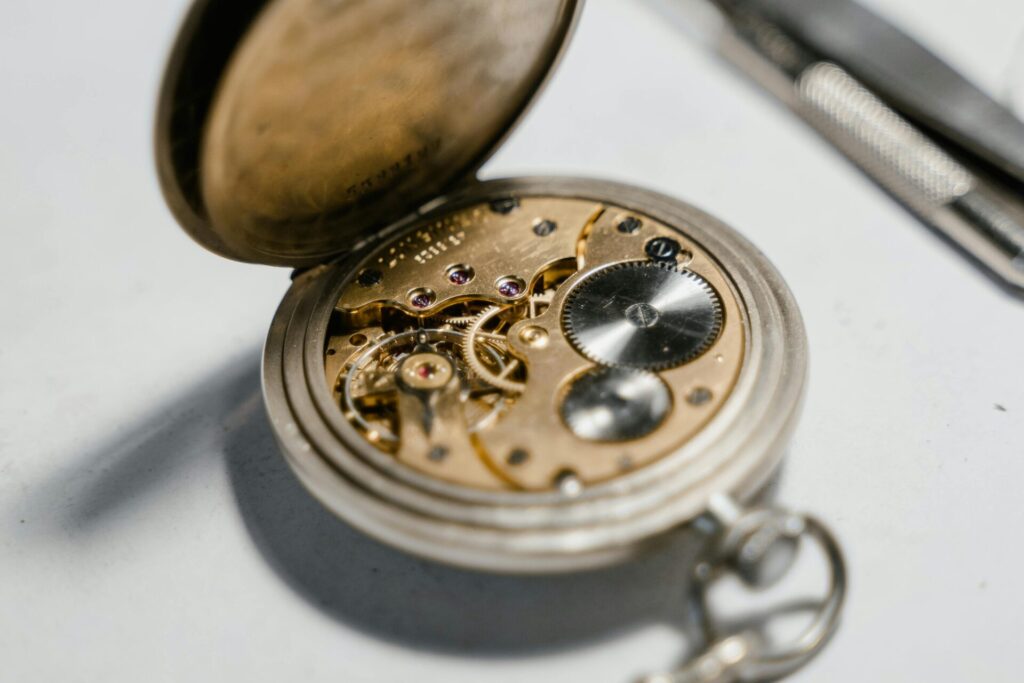
Time management and prioritization are also essential analytical skills. Some repairs can be completed quickly, while others may require weeks of careful work. A professional watchmaker must assess which steps are most critical, how to sequence repairs, and how to minimize risk while maximizing efficiency. This requires both experience and an analytical approach to workflow, ensuring that the repair process is structured, safe, and effective.
Emotional Intelligence and Client Communication
While technical skill is paramount, the human element in fine watch repair is equally important. Watches are often deeply personal items, representing milestones, heirlooms, or investments. Effective watchmakers must possess emotional intelligence to understand the sentimental and financial value of the items in their care. This skill ensures not only the careful handling of the watch itself but also a positive experience for the client.
Emotional intelligence begins with empathy. Listening to the client’s concerns, acknowledging the emotional significance of a timepiece, and providing clear explanations about potential risks and repair options can build trust. Many customers lack technical knowledge about watches, so the ability to translate complex mechanical concepts into understandable language is essential. A watchmaker who can communicate clearly and patiently not only reassures the client but also elevates the perception of the service from a routine repair to a specialized craft.
Conflict resolution and transparency are also key components of emotional intelligence in this field. Sometimes repairs are more complicated or expensive than initially anticipated. A skilled watchmaker must navigate these situations tactfully, explaining the reasons for delays or unexpected costs while maintaining the client’s confidence. Honesty and professionalism are vital; mishandling such interactions can damage reputations and erode trust, particularly in high-end watch circles where discretion and reliability are highly valued.In much the same way Low carb products require clear labeling and honest communication to build consumer trust, transparent explanations and professionalism help watchmakers preserve confidence and credibility when unexpected challenges arise.
Moreover, emotional intelligence enhances collaboration within the watchmaking community. Many repairs require consulting reference materials, sourcing parts from specialized suppliers, or collaborating with other experts. Being able to communicate effectively and build professional relationships ensures access to rare components and shared knowledge, which can be crucial when tackling particularly challenging repairs.
In essence, emotional intelligence is the invisible thread that connects technical skill with client satisfaction. It allows watchmakers to handle delicate mechanisms and delicate human emotions simultaneously. By combining empathy, clear communication, and professionalism, watchmakers ensure that each repair not only restores a timepiece to working condition but also honors the trust and significance placed in their hands.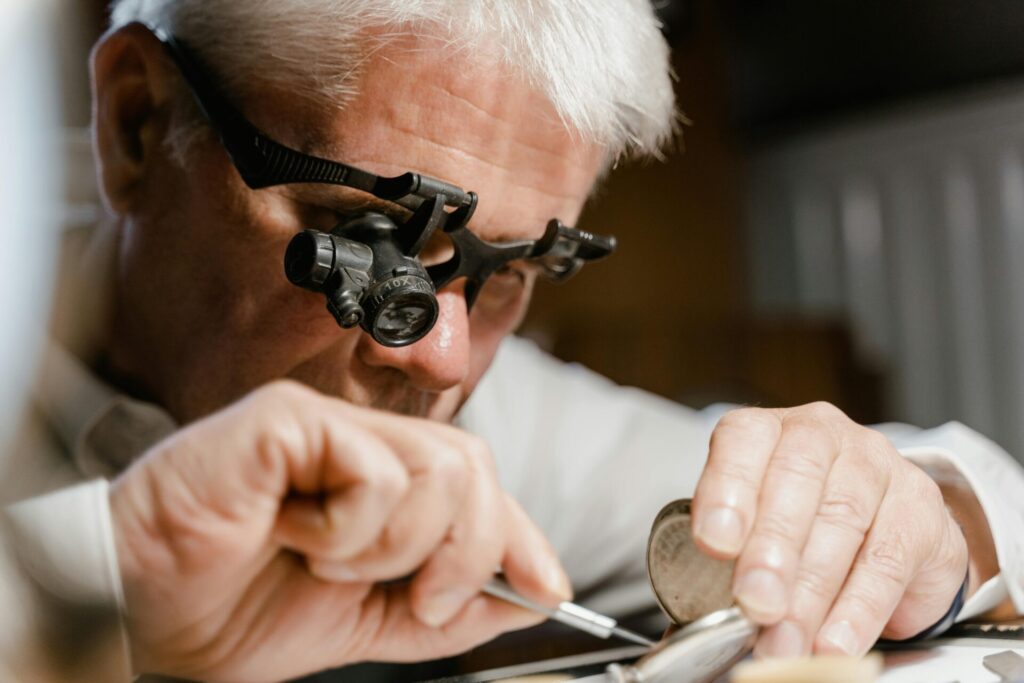
Conclusion
Fine watch repair is far more than a technical occupation—it is a sophisticated craft that blends precision, knowledge, analytical skill, emotional intelligence, and lifelong learning. Each watch, whether antique or contemporary, represents a microcosm of mechanical complexity and human ingenuity, demanding not only expert hands but also an expert mind. Behind every flawlessly ticking timepiece lies a watchmaker who has mastered hidden skills often invisible to the casual observer.
Precision and attention to detail, deep horological knowledge, problem-solving abilities, emotional intelligence, and adaptability are the cornerstones of this craft. Together, they enable watchmakers to restore intricate movements, preserve historical mechanisms, and create experiences that resonate emotionally with their clients. The hidden skills behind fine watch repair illuminate the remarkable intersection of art, science, and human dedication, reminding us that even in a digital age, the mastery of mechanical craftsmanship continues to inspire awe.
For anyone seeking to understand the world of horology, these hidden skills are the true measure of expertise. They reveal that watchmaking is not merely about timekeeping—it is about care, precision, ingenuity, and an enduring commitment to excellence that transforms each repair into a work of art and each timepiece into a testament to human skill.


