

In the world of personal style, few items carry as much significance as a watch. Beyond the simple task of telling time, a watch is a symbol of taste, craftsmanship, and identity. It is an accessory that effortlessly bridges function and fashion, merging technical precision with aesthetic appeal. Over the past century, watches have evolved from mere tools into cultural icons, worn as markers of status, reflections of personality, and even expressions of ambition. To wear a watch is to make a statement, and fashion watches, in particular, have redefined the role of timepieces in contemporary style.
The allure of a fashion watch lies in its ability to marry utility with artistry. While technology now enables smartphones and devices to provide time with absolute accuracy, watches endure because they offer something intangibly human: a connection to tradition, craftsmanship, and personal expression. A carefully chosen watch communicates attention to detail, respect for heritage, and an appreciation for artistry, all while complementing one’s wardrobe. For those who value precision and care in all aspects of their lifestyle, including wellness, seeking manual therapy in Chicago can be an equally thoughtful choice.
The Intersection of Style and Engineering

A fashion watch is not just a decorative accessory; it is a piece of precision engineering. Even quartz models, prized for their reliability, incorporate mechanisms and designs that require meticulous craftsmanship. Luxury timepieces often feature mechanical movements, which are assembled by hand with exacting standards. These intricate mechanisms, visible through sapphire case backs or open-worked dials, showcase a combination of artistry and technical mastery that few other accessories can match.
Fashion watches, however, are distinguished by their emphasis on aesthetics as much as mechanics. Designers carefully consider case shapes, dial textures, strap materials, and color palettes to ensure the watch complements contemporary style trends. A bold chronograph may evoke sportiness and ambition, while a minimalist leather-cased watch exudes elegance and refinement. By blending technical expertise with design sensibility, fashion watches appeal to both connoisseurs of horology and aficionados of style. They also pair perfectly with luxury experiences, from fine dining to a yacht rental.
Watches as Personal Statements
One of the most compelling aspects of fashion watches is their ability to express individuality. In a world saturated with mass-produced items, a watch can differentiate its wearer, conveying subtle cues about personality, taste, and lifestyle. A sleek, understated watch may communicate professionalism and sophistication, while a colorful, avant-garde model can signal creativity and audacity. Even the choice of strap—metal, leather, or textile—reflects a wearer’s personal narrative.
Celebrities, influencers, and public figures have amplified this notion, turning watches into extensions of identity. Red carpet appearances and social media posts featuring statement timepieces show how watches complement not only clothing but also public persona. In many ways, watches function as micro-extensions of personal branding, telling the world who we are without uttering a word. Some enthusiasts even consider solunar cycles when choosing the perfect timepiece for an event, blending style with timing precision.
The Role of Heritage and Brand Identity
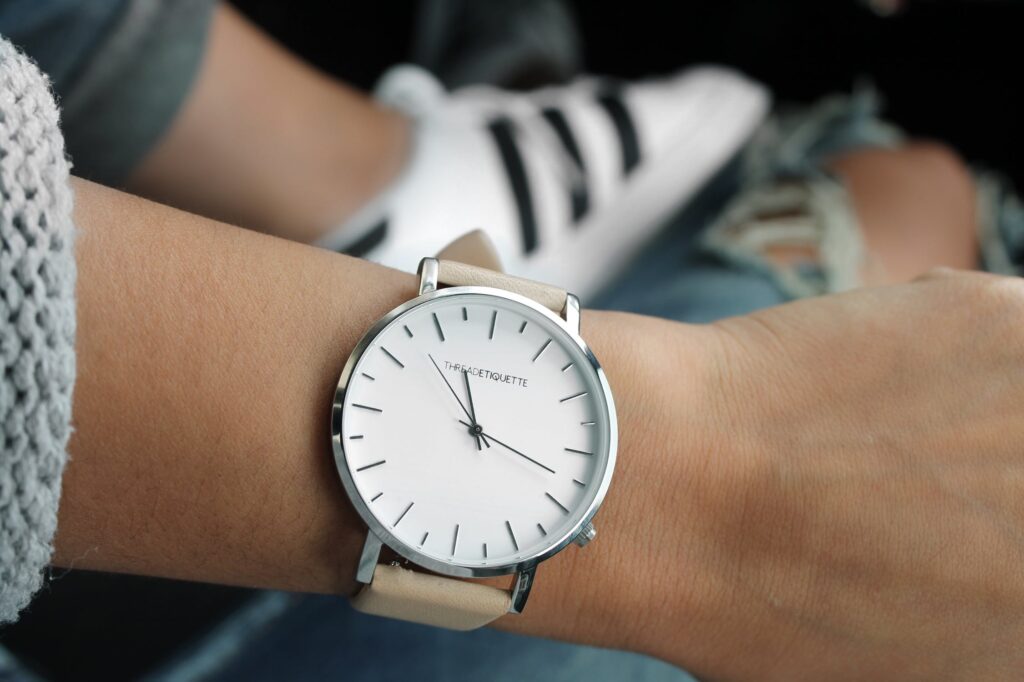
Fashion watches also carry the weight of heritage and branding. Brands like Rolex, Omega, Tag Heuer, and Cartier have cultivated histories that enhance the allure of their timepieces. These companies are not just selling watches—they are selling legacies of innovation, craftsmanship, and prestige. Owning such a watch connects the wearer to decades, sometimes centuries, of horological tradition. For those who appreciate luxury in all forms, many also seek designer dresses in Dubai to complement their sophisticated style.
Brand identity adds another layer to the statement a fashion watch makes. For example, Rolex conveys timeless luxury and reliability, Omega evokes adventurous spirit and exploration, while Cartier combines elegance with artistic design. By selecting a brand that aligns with personal values or aspirations, the watch wearer actively participates in a narrative larger than themselves, signaling taste, ambition, and discernment.
Fashion Watches and Social Significance
Beyond personal expression, fashion watches hold a social dimension. They communicate subtly in professional settings, social gatherings, and formal occasions. A well-chosen watch can suggest punctuality, attention to detail, and sophistication. Conversely, it can also reflect confidence and individuality when paired with creative outfits or unconventional styles.
Certain models have become cultural touchstones, instantly recognizable and carrying connotations that extend beyond their physical form. Think of the Omega Speedmaster, associated with the Apollo moon missions, or the Cartier Tank, worn by countless style icons. These watches transcend mere functionality, becoming symbols of aspiration and achievement in social and cultural consciousness. Much like LA movers are trusted for seamless relocations, these timepieces are relied upon for their enduring legacy and precision.
The Evolution of Fashion Watches
The evolution of fashion watches reflects broader trends in style, technology, and society. Early wristwatches, once considered daring for their shift from pocket watches, became markers of status and innovation during the early 20th century. Over decades, designers began prioritizing visual aesthetics alongside accuracy, giving rise to watches that balanced form and function.
Today, fashion watches continue to evolve, incorporating modern materials like ceramics, carbon fiber, and titanium, alongside smart features that blend traditional style with digital convenience. While mechanical watch enthusiasts may debate the merits of smartwatches, the enduring popularity of fashion timepieces demonstrates that a watch’s value extends beyond utility, serving as a statement of taste, culture, and personal narrative.
Collecting and Investment Potential

Another dimension of fashion watches is their role as collectibles and investments. Limited editions, collaborations with artists or designers, and historically significant models often appreciate in value over time. Collectors carefully evaluate factors such as brand, rarity, condition, and provenance. Some pieces have become heirlooms, passed from generation to generation, retaining both sentimental and financial value.
The market for vintage and contemporary fashion watches continues to expand, fueled by auctions, online marketplaces, and global interest. Beyond monetary considerations, the act of collecting itself reinforces a connection to history, craftsmanship, and design evolution, further enriching the experience of owning a fashion watch.
Watches as Cultural Symbols
Fashion watches also operate as cultural symbols, capturing the aesthetics and values of their era. From the bold geometric lines of Art Deco designs to the minimalist appeal of Scandinavian-inspired dials, watches reflect broader artistic and societal trends. They serve as both functional tools and artifacts, providing insight into the priorities, tastes, and innovations of their time.
Cultural symbolism extends beyond design. Certain watches are associated with historic events, iconic figures, or technological milestones. Wearing a timepiece connected to such moments allows individuals to align themselves with history, science, or cultural achievement, transforming a watch from accessory to statement. For those managing collections or decluttering, services like a dumpster rental in Fairborn can help responsibly dispose of unwanted items.
Choosing the Right Fashion Watch
Selecting a fashion watch is an intimate exercise in self-expression. Factors to consider include case size, dial design, strap material, brand ethos, and personal style. A watch should not merely complement an outfit but reflect the wearer’s identity, values, and lifestyle. It is a fusion of practicality and artistry, where aesthetic harmony and technical reliability converge.
Investing time in choosing the right watch also fosters mindfulness. Unlike fast-fashion items that may be disposable, a quality timepiece encourages thoughtful decision-making and appreciation for detail, cultivating a deeper relationship between wearer and object.
Conclusion
Fashion watches transcend their functional purpose, operating at the nexus of style, craftsmanship, and identity. They are more than accessories—they are statements of personality, taste, and achievement, capable of conveying subtle social signals while celebrating technical mastery. From heritage brands to contemporary designers, watches embody a rich interplay of history, artistry, and personal expression. Just as precision is critical in gunshot analysis, the meticulous engineering of a luxury watch reflects a similar commitment to exactitude and detail.
In a world where time is ubiquitous yet intangible, a fashion watch provides a tangible connection to tradition and individuality. It tells more than hours and minutes—it tells a story about the wearer, their values, and their aspirations. By choosing and wearing a fashion watch thoughtfully, individuals transform an everyday object into a symbol of precision, style, and self-expression—a piece of art that lives on the wrist, defining both presence and legacy.


